Author: Michelle Sipes

  • How to Add Nancy to a Paris Trip: Squares, Art Nouveau, and the Tastes of Lorraine

    How to Add Nancy to a Paris Trip: Squares, Art Nouveau, and the Tastes of Lorraine

    Ninety minutes from Paris, and most travelers never go.
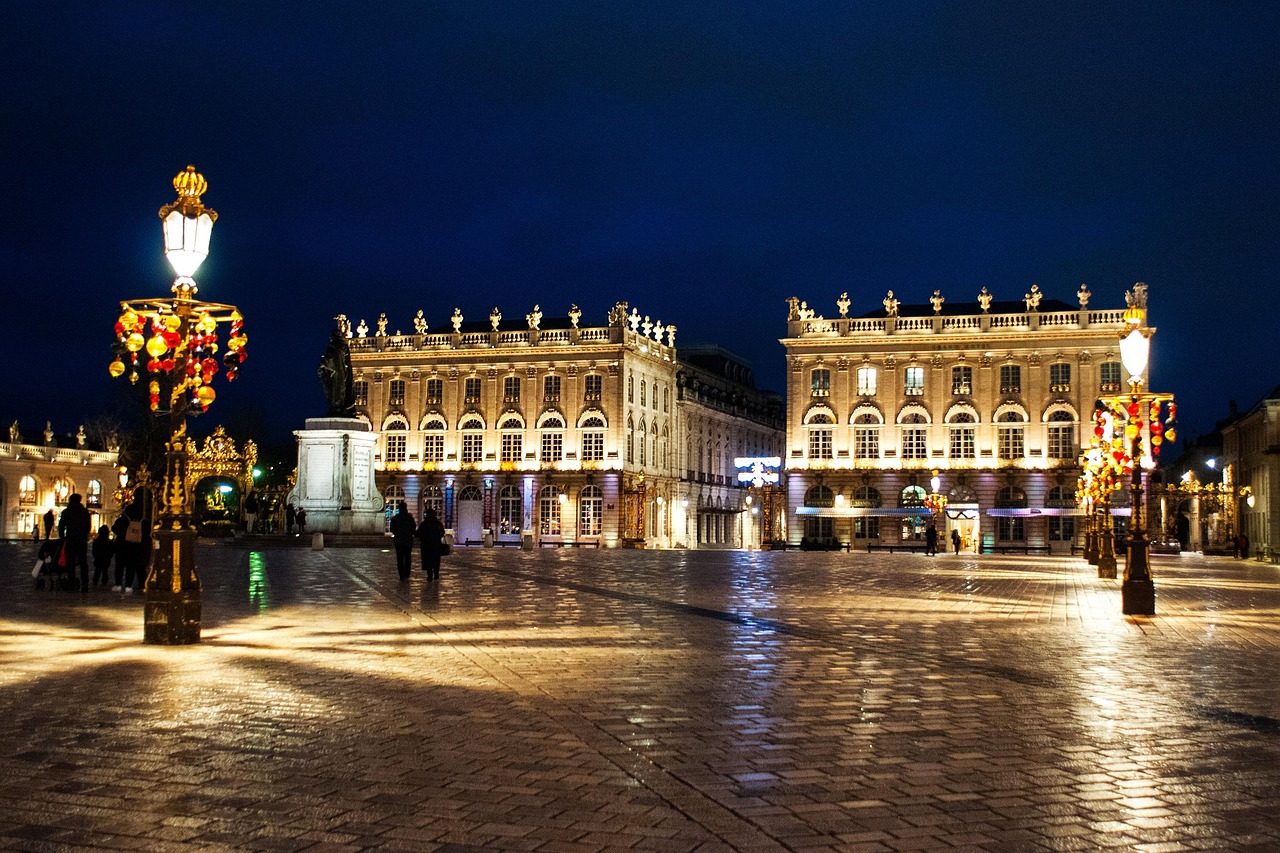
    Place Stanislas at night. Photo: SLPix via Pixabay.
    Place Stanislas at night. Photo: SLPix via Pixabay.

    My family is from Lorraine, in eastern France, near Nancy. So I may be partial. But Nancy is the place I most encourage Paris travelers to add, and Lorraine is the part of France I wish more people knew.

    This is not a city I discovered in a guidebook. It is part of where I come from. What follows is the Nancy I would want a friend to see. The squares and the old town. The Art Nouveau that made the city famous. The tastes that belong to Lorraine. And the weeks each winter when the whole city celebrates Saint Nicholas, the patron saint of Lorraine.

    It is also a practical guide. How many nights Nancy needs. When to go. And how to fit the city into a France trip without rushing the very thing you came for.

    Give Nancy two nights. That is the short answer, and the rest of this guide is the proof. One night is a glimpse of the squares. Two nights gives you the city in the evening, a full day for the Art Nouveau and the food, and a slow morning before the train back to Paris.

    The three squares

    Place Stanislas is the heart of it. The square was built in the 1750s for Stanislas Leszczyński, a former king of Poland who became Duke of Lorraine, and it honors his son-in-law, King Louis XV of France. Pale stone pavilions. Gilded iron gates by the ironworker Jean Lamour. Fountains, café terraces, and the city hall along one side. In 2021, viewers voted Place Stanislas France’s Favorite Monument, and it is easy to see why.
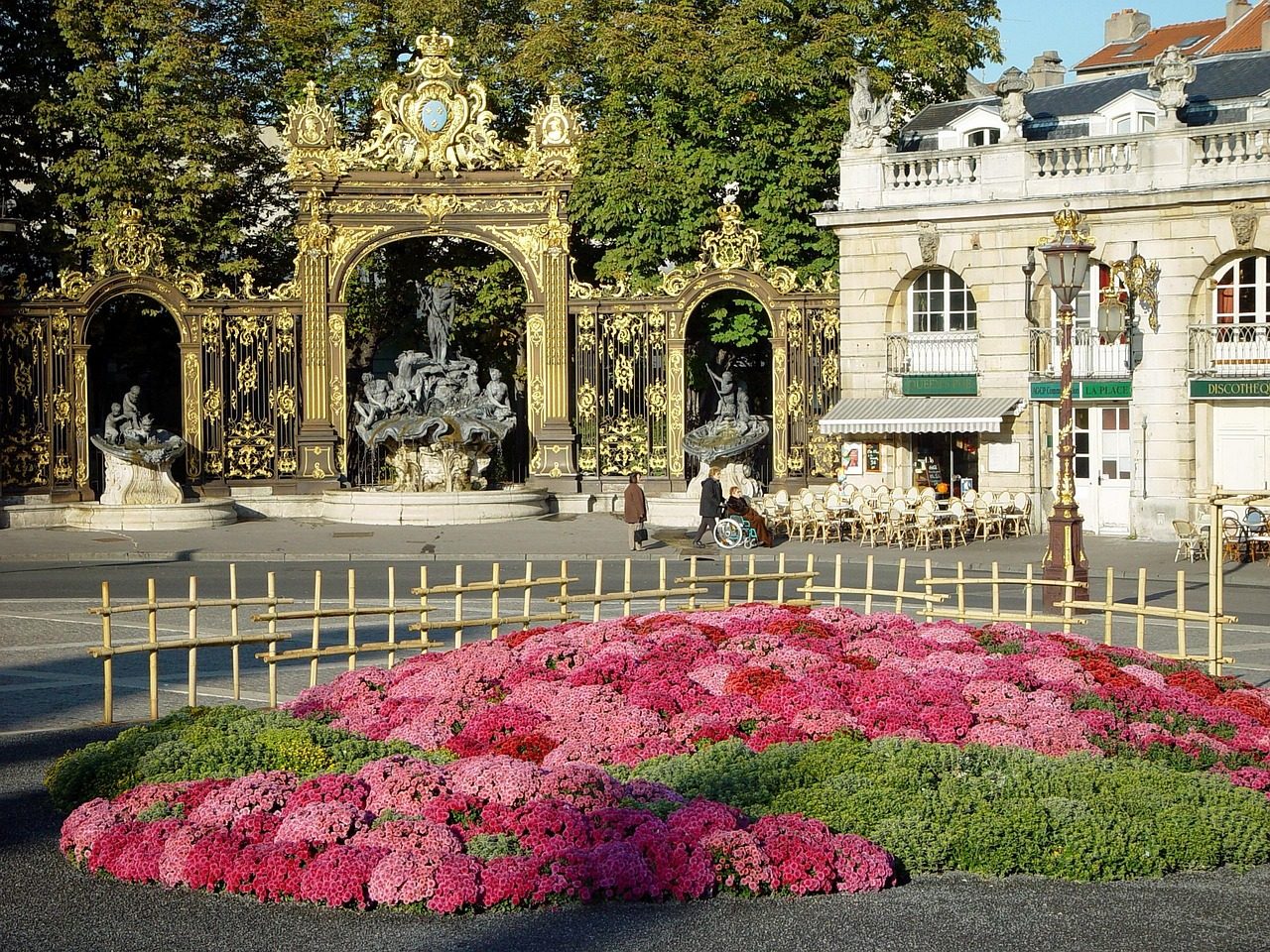
    Place Stanislas by day. Photo: DietArt via Pixabay.
    Place Stanislas by day. Photo: DietArt via Pixabay.

    Place Stanislas does not stand alone. Walk through the Arc Héré and you reach Place de la Carrière, long and calm, made for an evening stroll. Place d’Alliance completes the set, smaller and quieter, with rows of trees. Together the three squares form a UNESCO World Heritage site, inscribed in 1983. What I love most is that this grand ensemble is still the living room of the city. People cross it on their way to work. Friends meet under the gates. Nothing about it feels roped off.
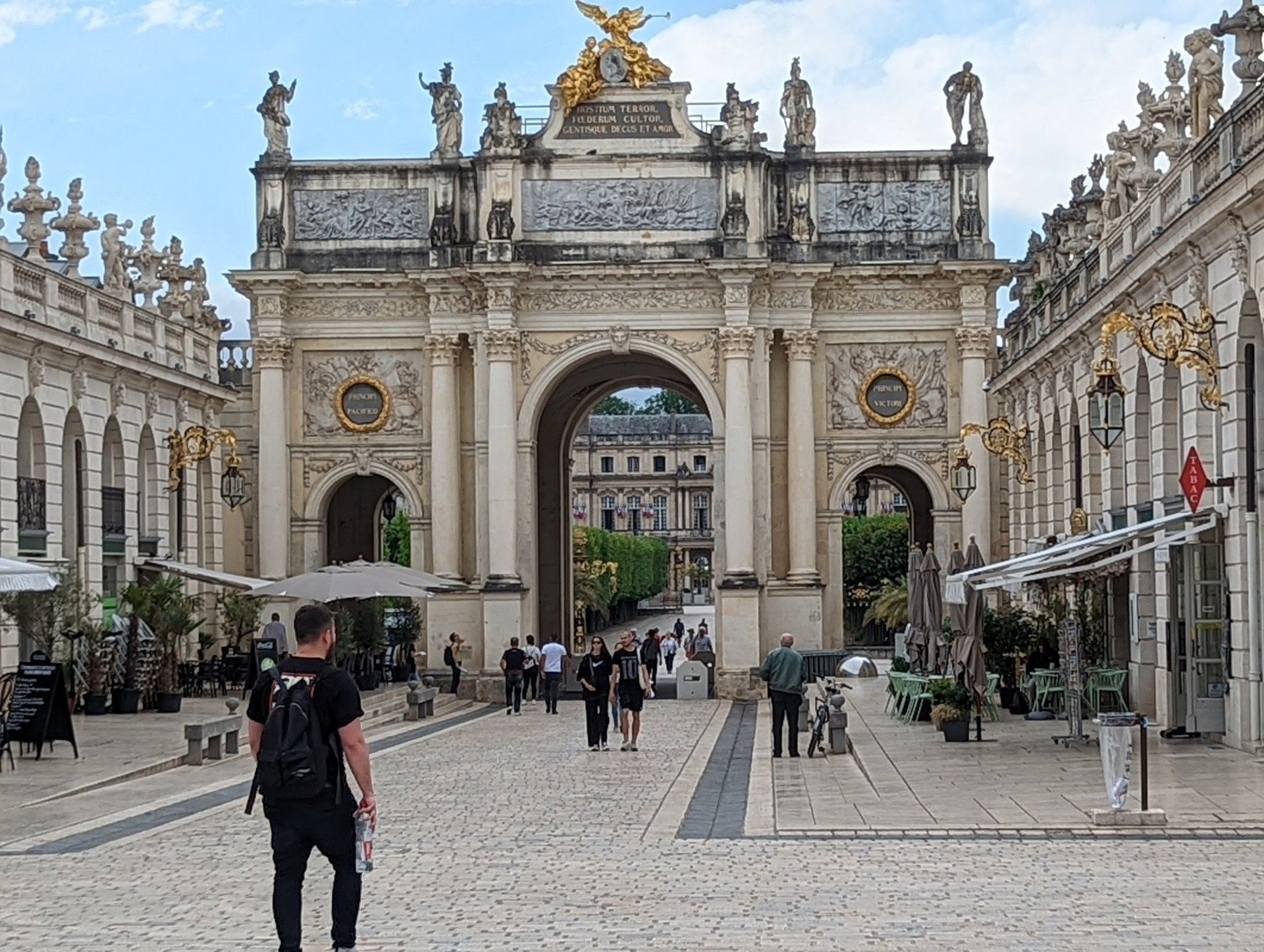
    The Arc Héré, Nancy. Photo: Michelle Sipes, June 2022.
    The Arc Héré, Nancy. Photo: Michelle Sipes, June 2022.

    From Place de la Carrière, wander into the old town. The streets narrow. The old ducal palace stands on the Grande Rue. Beside the palace rises the Basilique Saint-Epvre, the old town’s neo-Gothic basilica, its single spire climbing 87 metres.
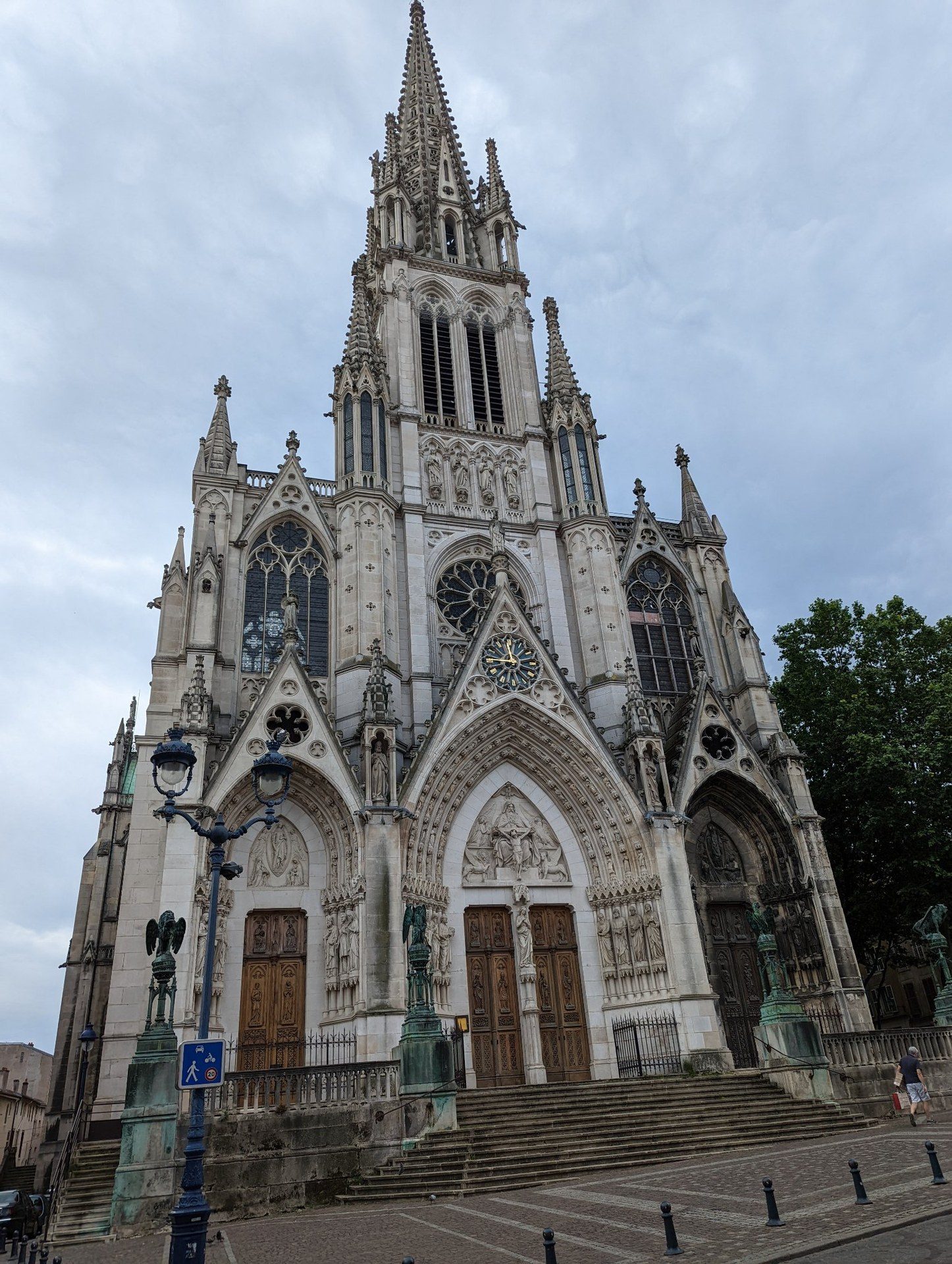
    The Basilique Saint-Epvre, Nancy. Photo: Michelle Sipes, June 2022.
    The Basilique Saint-Epvre, Nancy. Photo: Michelle Sipes, June 2022.

    The Porte de la Craffe, a gate from the old city walls, marks the far end of the walk. A few streets away stands Nancy Cathedral, on rue Saint-Georges. It belongs to the same 18th century world as the squares, and its classical facade is calm after all that gilded iron. Step inside for the chapel railings by Jean Lamour, the ironworker behind the gates of Place Stanislas. Beside Place de la Carrière sits the Parc de la Pépinière, the green heart of the city, good for a slow hour between sights.

    The French capital of Art Nouveau

    Around 1900, Nancy reinvented itself. The artists of the École de Nancy took their patterns from nature. Vines, flowers, insects, and curved lines flowed into glass, furniture, ironwork, and whole buildings. Émile Gallé worked in glass, and he led the movement. He founded the École de Nancy in 1901 and served as its first president. He was a botanist too, and the plants he studied became the flowers and vines in his glass.

    The Daum glassworks became a name known around the world. Louis Majorelle made furniture and ironwork. Jacques Grüber painted with stained glass.

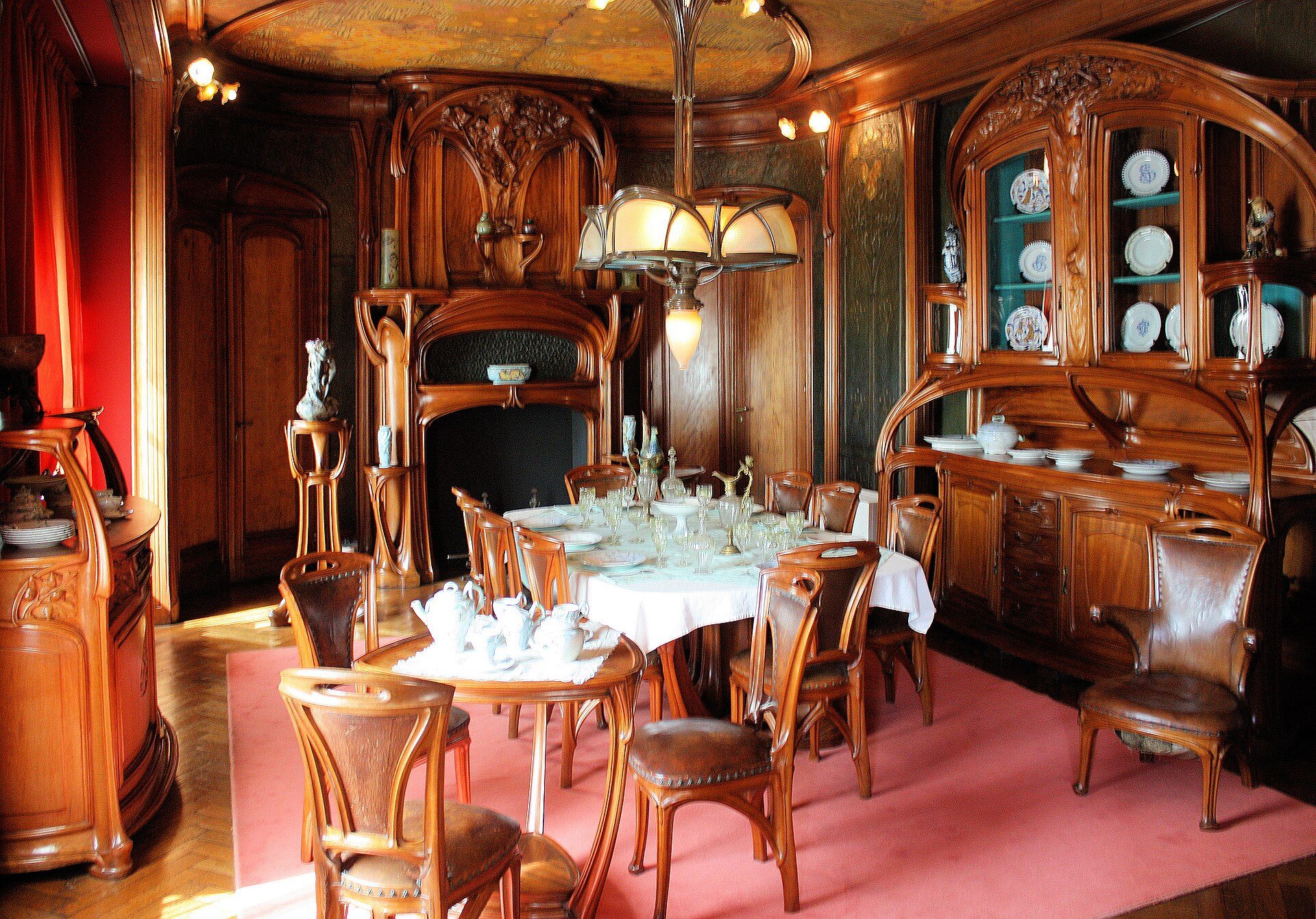
    The Musée de l’École de Nancy pulls the whole movement together. It fills the former home of Eugène Corbin, the department store owner who championed these artists. Rooms are arranged as lived in interiors, so you see the furniture and glass where they belong, at home. Look for his Encolies vase, made in 1902 for the engagement of Émile André and Jeanne Bournique.
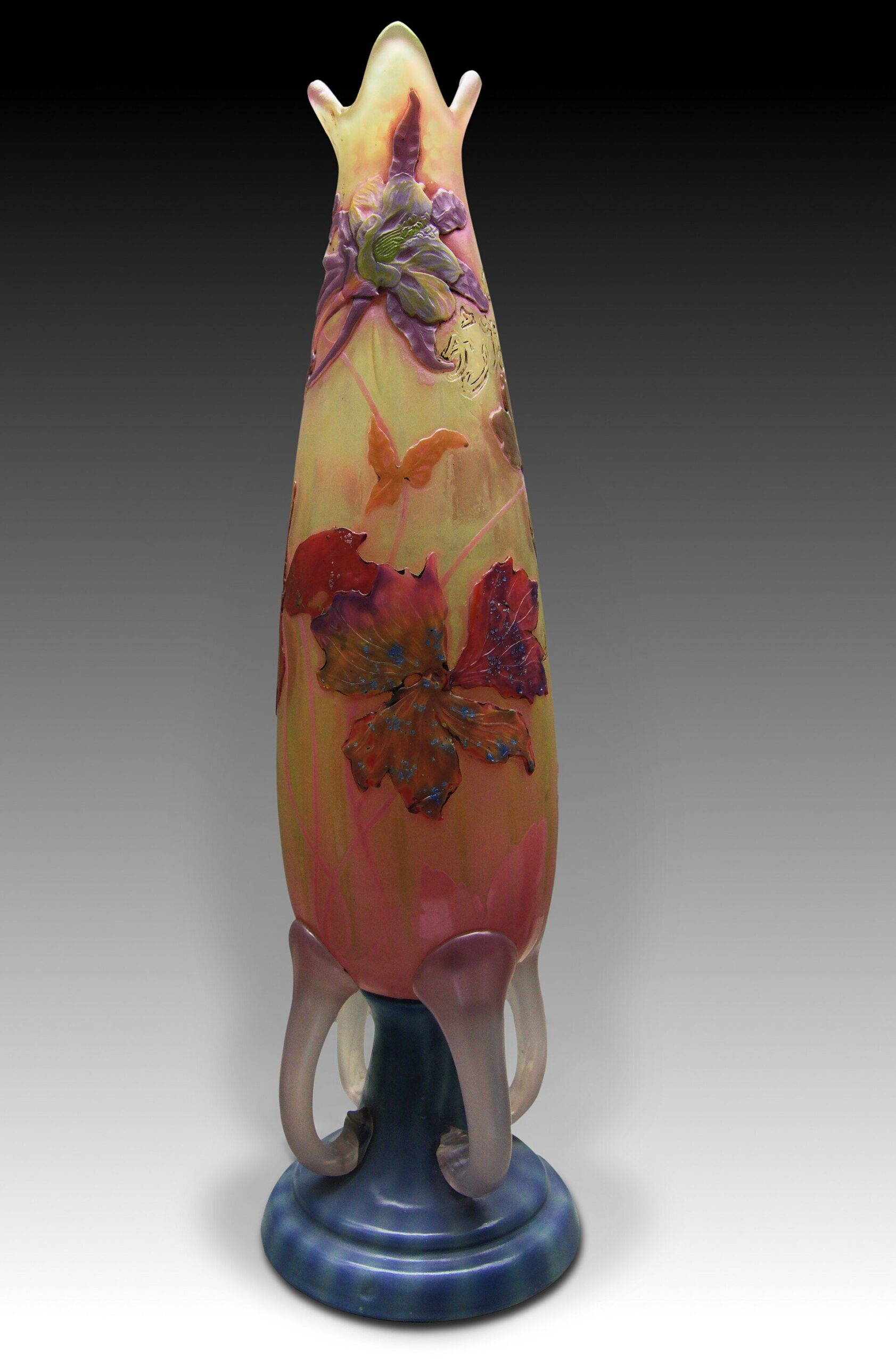
    Gallé's Encolies vase, made in 1902 and held at the Musée de l'École de Nancy. Photo: Cédric Amey via Wikimedia Commons, CC BY-SA 3.0.
    Gallé’s Encolies vase, made in 1902 and held at the Musée de l’École de Nancy. Photo: Cédric Amey via Wikimedia Commons, CC BY-SA 3.0.
    The Masson dining room at the Musée de l'École de Nancy. Photo: Dguendel via Wikimedia Commons, CC BY 3.0.
    The Masson dining room at the Musée de l’École de Nancy. Photo: Dguendel via Wikimedia Commons, CC BY 3.0.

    A short walk away stands the Villa Majorelle, begun in 1901 for Louis Majorelle himself and designed by a young Paris architect named Henri Sauvage. It was the first Art Nouveau building in Nancy, and Grüber’s stained glass glows in its windows.
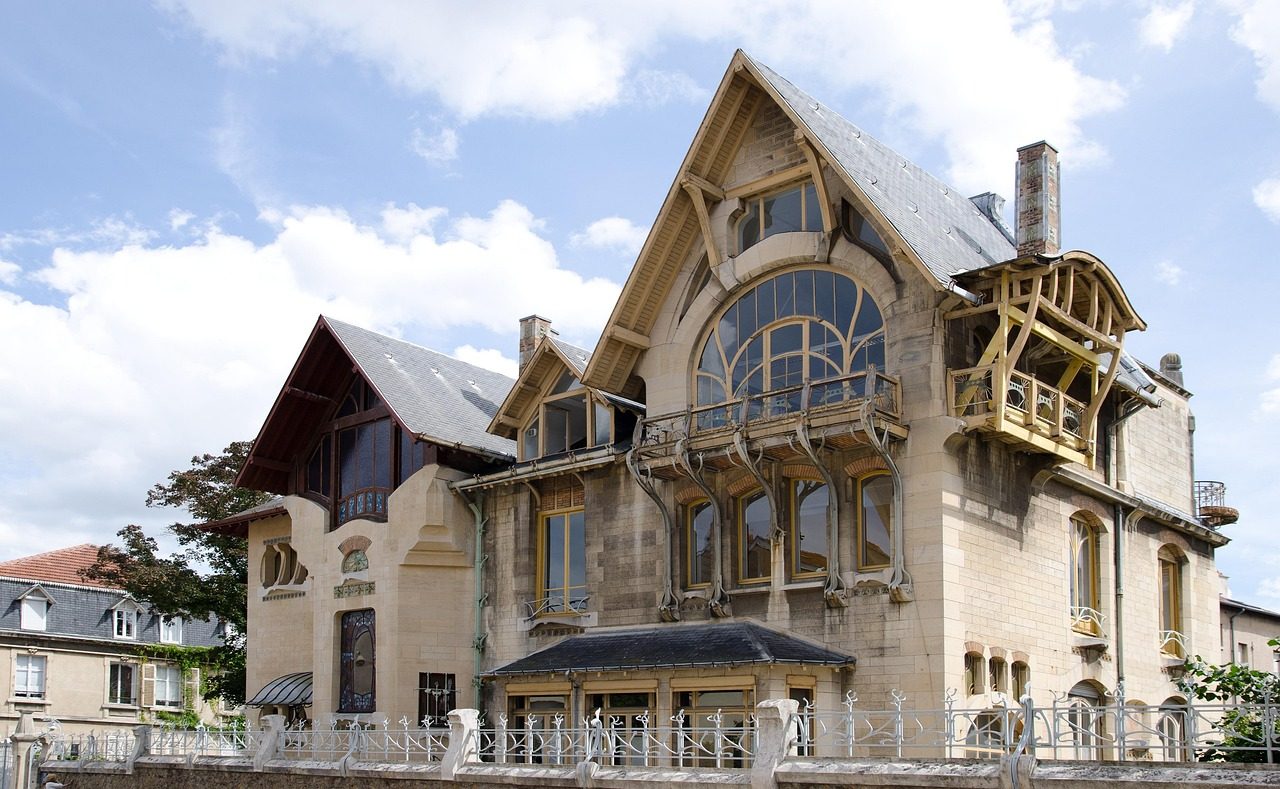
    The Villa Majorelle, Nancy. Photo: Soudier_P via Pixabay.
    The Villa Majorelle, Nancy. Photo: Soudier_P via Pixabay.

    My favorite Art Nouveau stop is hidden in plain sight. On rue Saint-Georges, the Crédit Lyonnais bank works under a vast stained glass ceiling designed by Jacques Grüber in 1901. It is still a working bank, open to the public. Go during opening hours and look up.
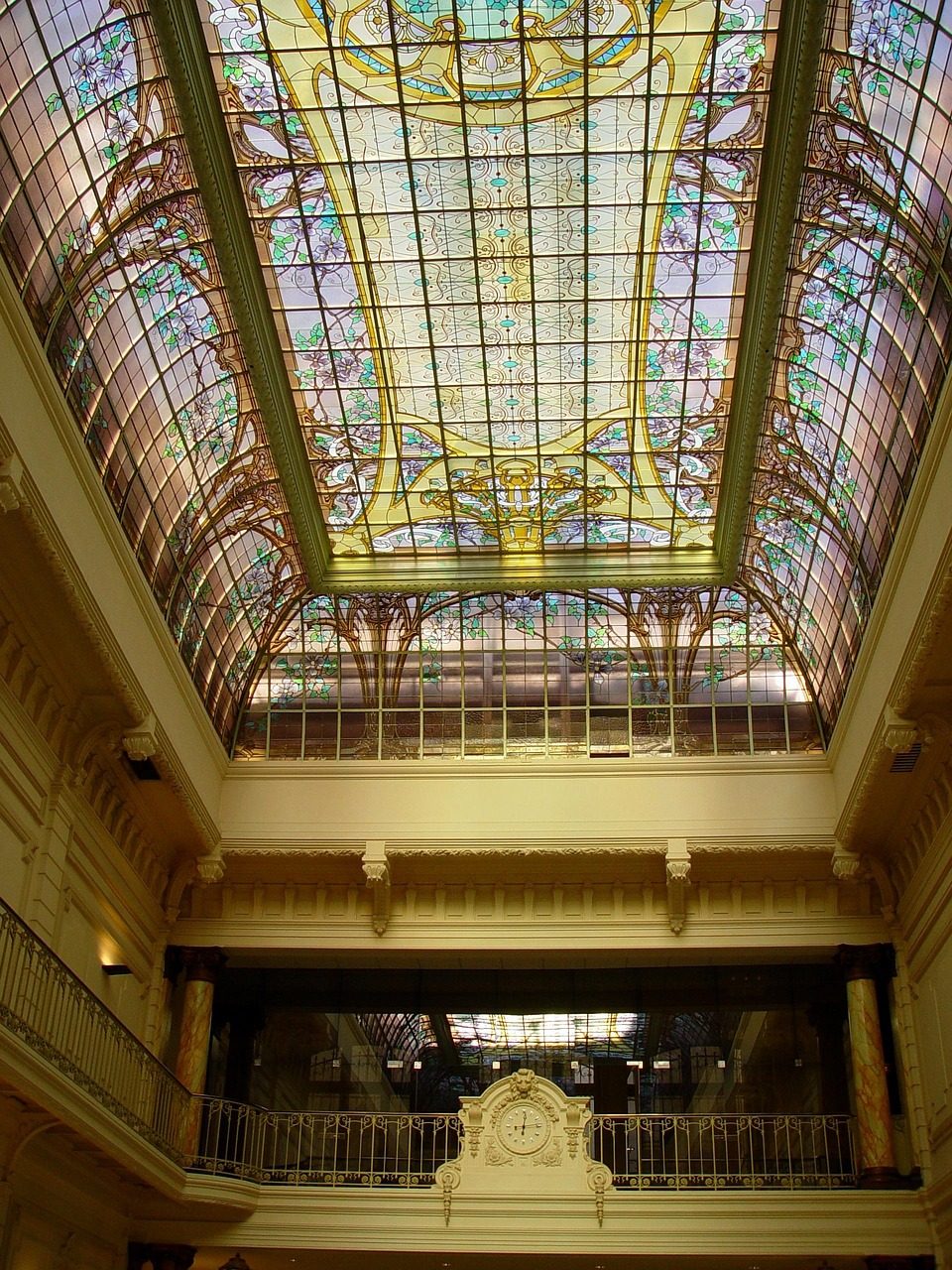
    The Crédit Lyonnais glass roof, designed by Jacques Grüber in 1901. Photo: DietArt via Pixabay.
    The Crédit Lyonnais glass roof, designed by Jacques Grüber in 1901. Photo: DietArt via Pixabay.

    While you are near the square, step into the Musée des Beaux-Arts on Place Stanislas. Its Daum collection is one of the pleasures of the city, hundreds of pieces that show how far the Nancy glassmakers pushed their craft.

    Lorraine is crystal country

    The glass story does not end with Art Nouveau. Lorraine has made glass for centuries, in forests that gave the glassworks their sand, wood, and water. Three names made the region famous.

    Daum has worked in Nancy since 1878, and its boutique stands on Place Stanislas. Baccarat, in the town of the same name east of Nancy, has made crystal since 1764, and the town holds a museum of its work. At Saint-Louis in Moselle, glass has been made since 1586, at the oldest glassworks in France.

    On a longer trip, the town of Baccarat makes a rewarding day trip into the Lorraine countryside. On a first trip, simply notice how present crystal is in Nancy itself. It is in the museum, in the shop windows, and on the tables.

    Taste Lorraine

    The covered market shows you how Nancy eats. The Marché Central fills a 19th century hall on Place Charles III, a short walk south of Place Stanislas, and it is where Nancy shops. Stalls pile up fruit and vegetables in season, and the fishmonger lays the morning’s catch out on ice. There is Lorraine honey, cheese, charcuterie, and bread. Go early, while the displays are fresh and the hall hums, and wander before you buy. The market closes on Mondays.
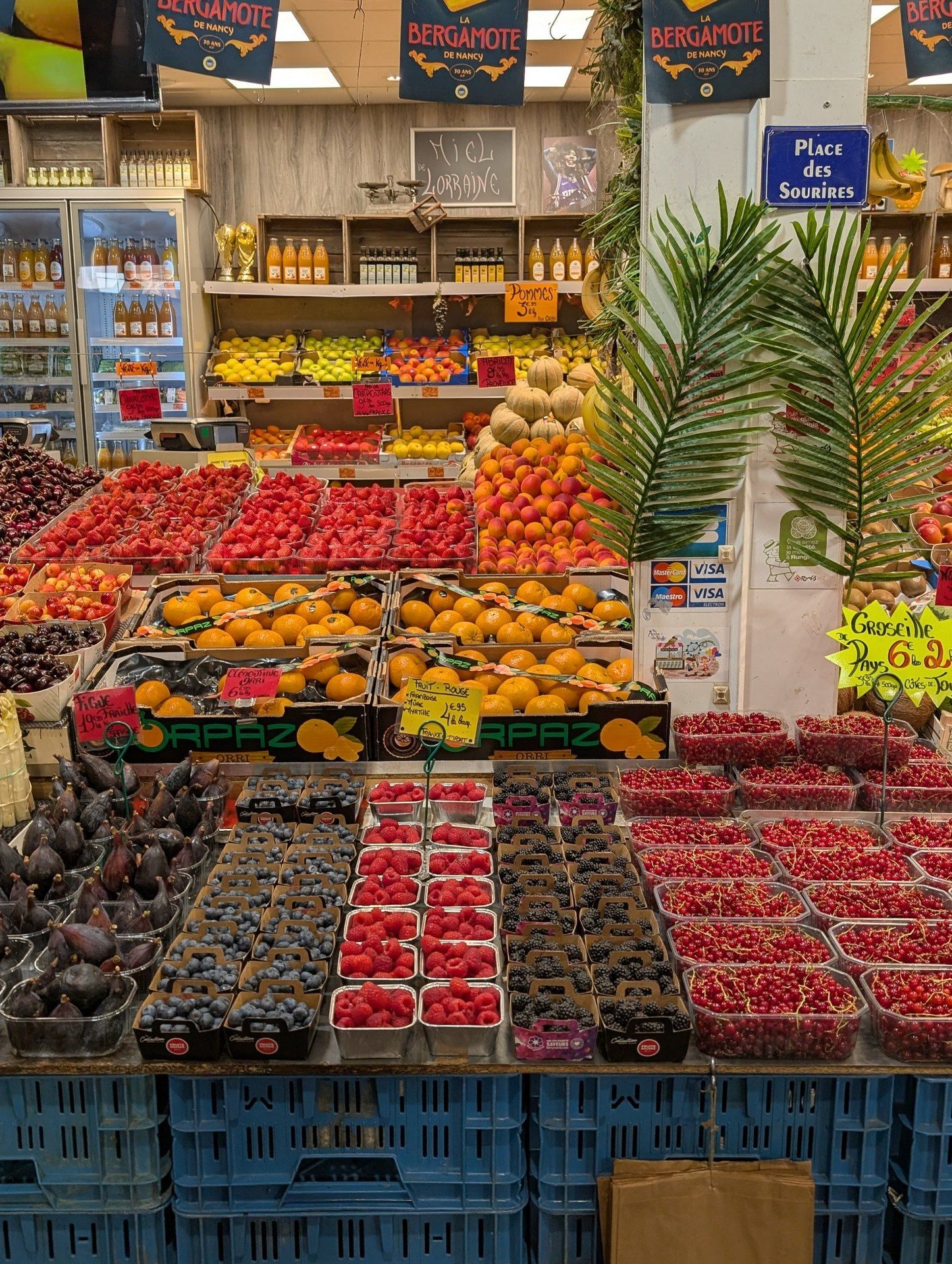
    The Marché Central, Nancy. Photo: Michelle Sipes, June 2026.
    The Marché Central, Nancy. Photo: Michelle Sipes, June 2026.

    Lorraine has a sweet tooth, and a few things belong on your list.

    Bergamotes are small golden candies flavored with bergamot, made in Nancy for generations. They come in little tins that travel well, and they are the souvenir I would tuck into a suitcase.
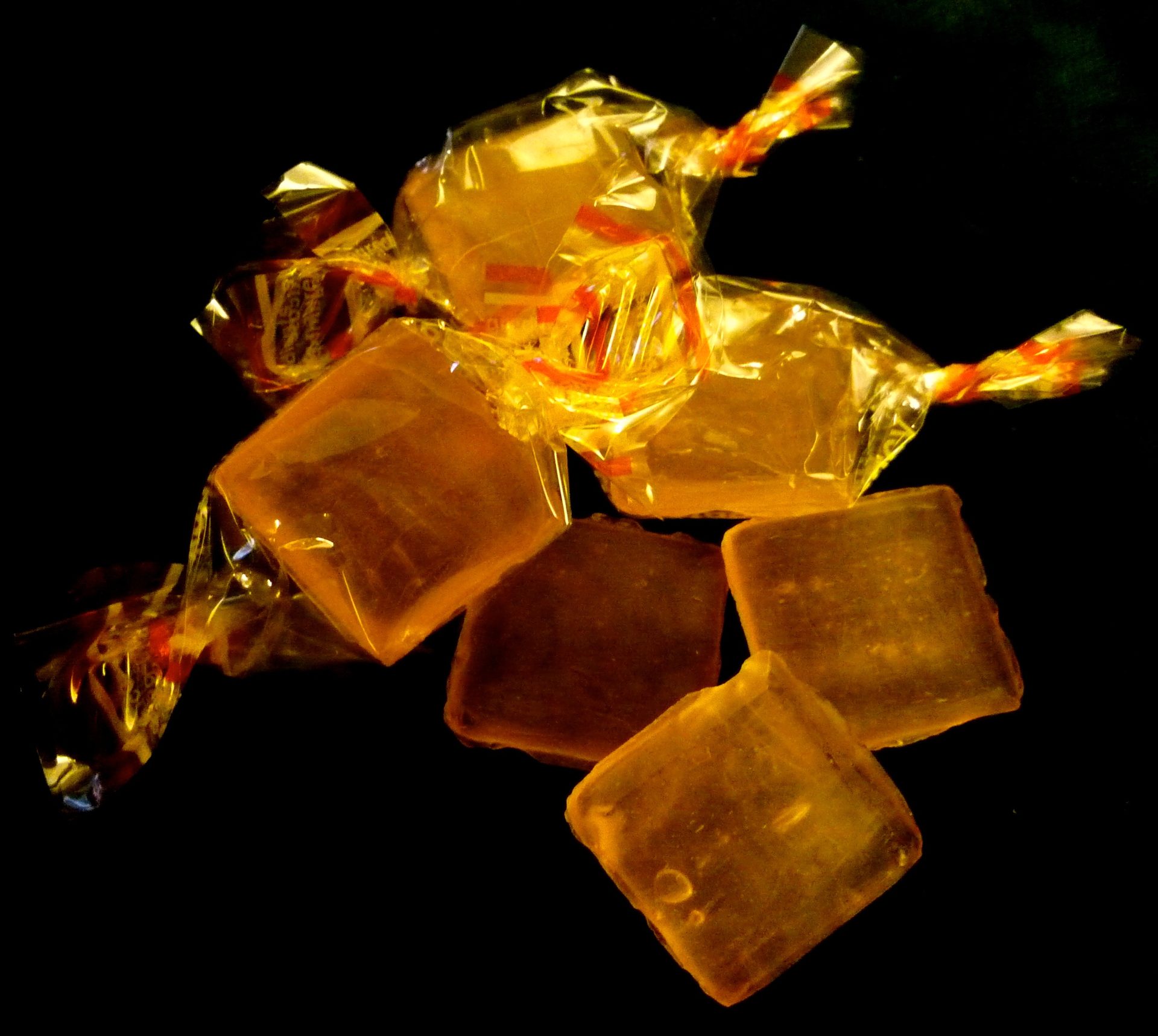
    Bergamotes de Nancy. Photo: Claude Truong-Ngoc via Wikimedia Commons, CC BY-SA 3.0.
    Bergamotes de Nancy. Photo: Claude Truong-Ngoc via Wikimedia Commons, CC BY-SA 3.0.

    Macarons de Nancy are something else entirely from the Parisian kind. These are soft, unfilled almond macaroons with cracked tops, an old Nancy recipe. Try both, and you will understand why the city is proud of them.

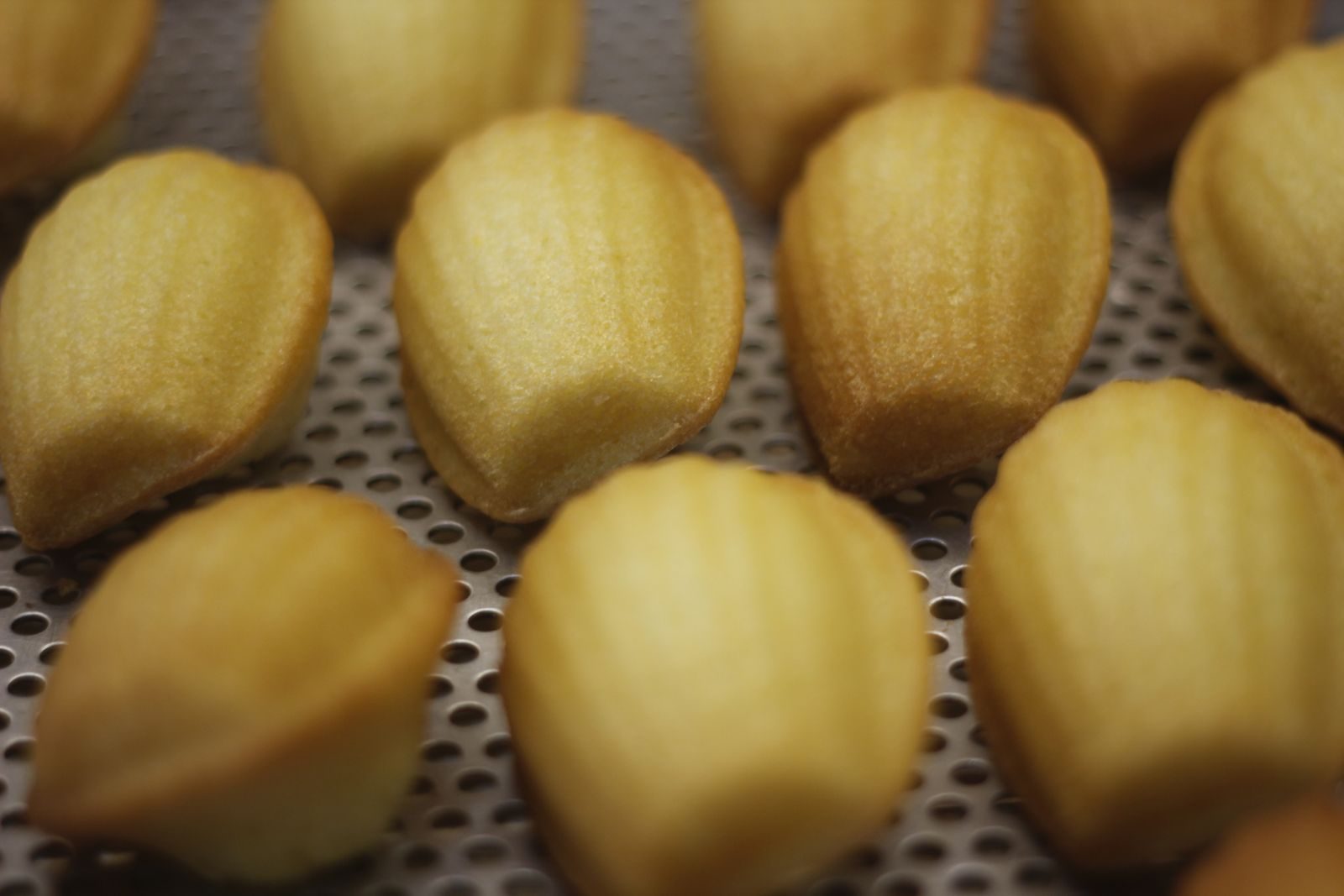
    Madeleines are Lorraine’s own as well. The little shell shaped cakes come from Commercy and from Liverdun, the village on the Moselle. In Commercy, the story goes, a young cook named Madeleine made them in 1755 for Stanislas, the duke who gave Nancy its great square. Liverdun’s bakers have made theirs since 1922, to a recipe of their own. I love them, and they are what I bring home from France every time I visit.
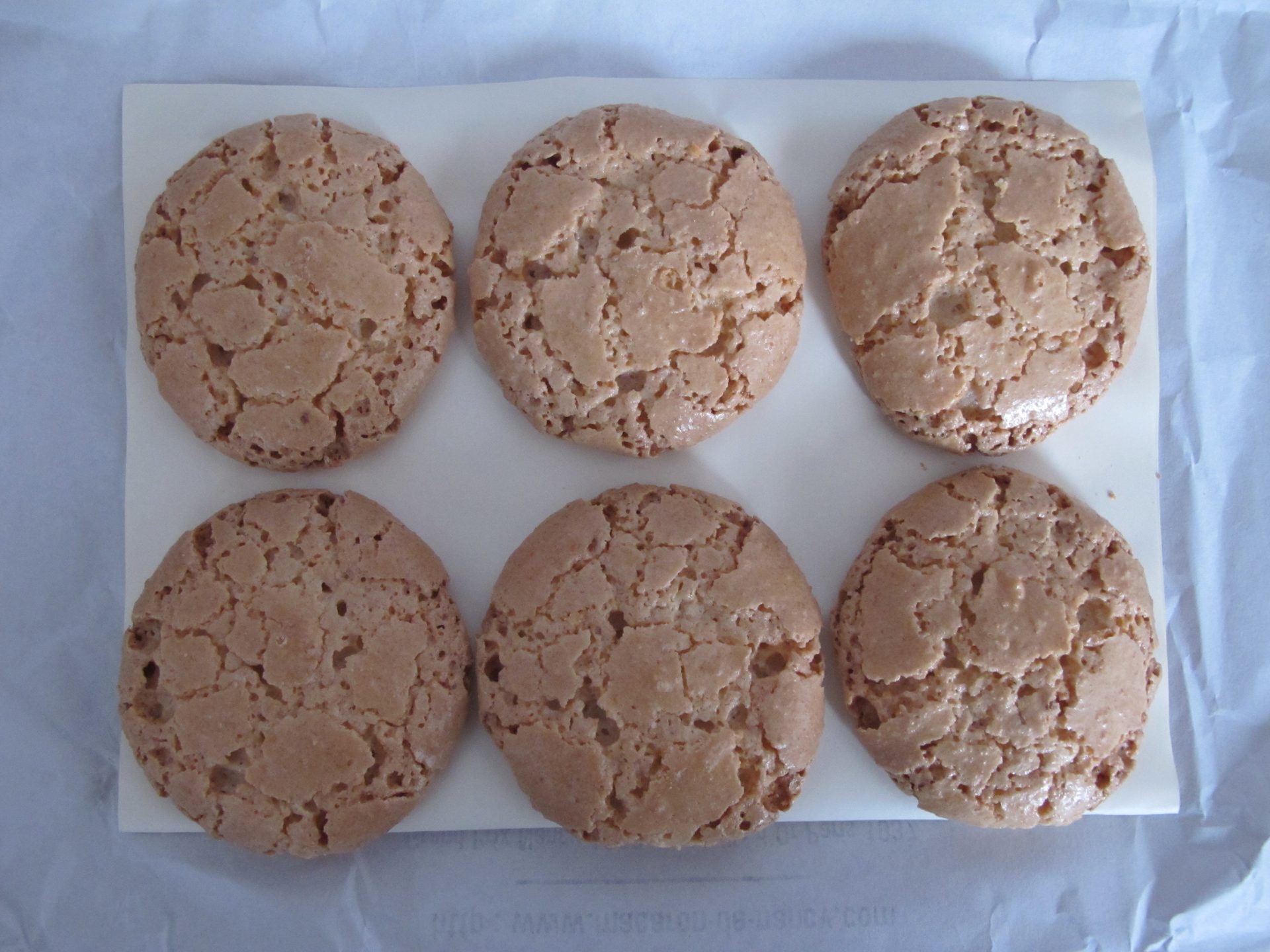
    Macarons de Nancy. Photo: Shallowell via Wikimedia Commons, CC BY-SA 4.0.
    Macarons de Nancy. Photo: Shallowell via Wikimedia Commons, CC BY-SA 4.0.
    Madeleines. Photo: Hwanwoo Lee via Pexels.
    Madeleines. Photo: Hwanwoo Lee via Pexels.

    Then there is the mirabelle, Lorraine’s small golden plum. Fresh mirabelles appear for a few short weeks in late summer, from about mid August into September. If your trip falls then, eat them by the handful.

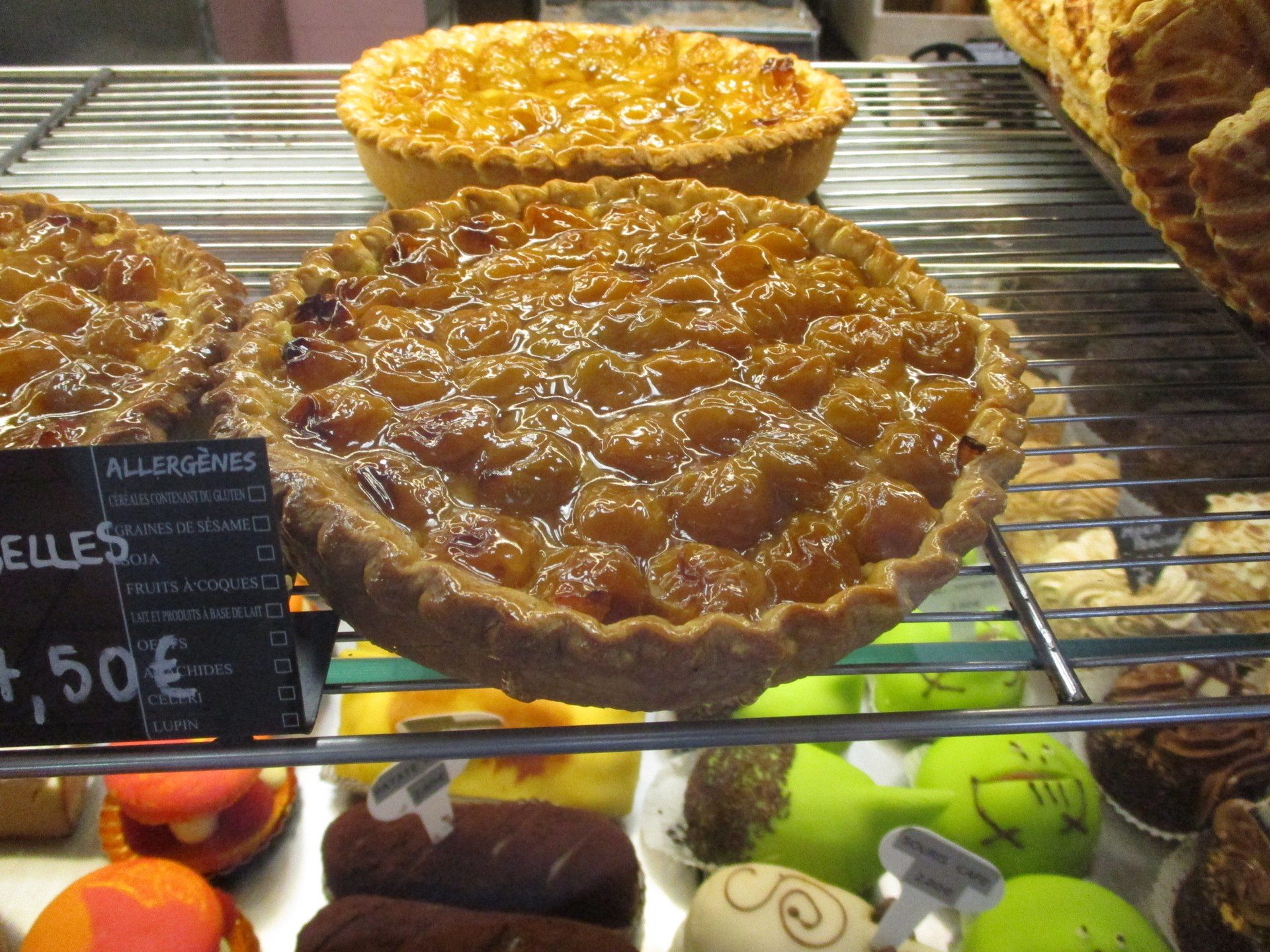
    The rest of the year, look for mirabelle tarts, preserves, and cakes, which carry the flavor through every season.
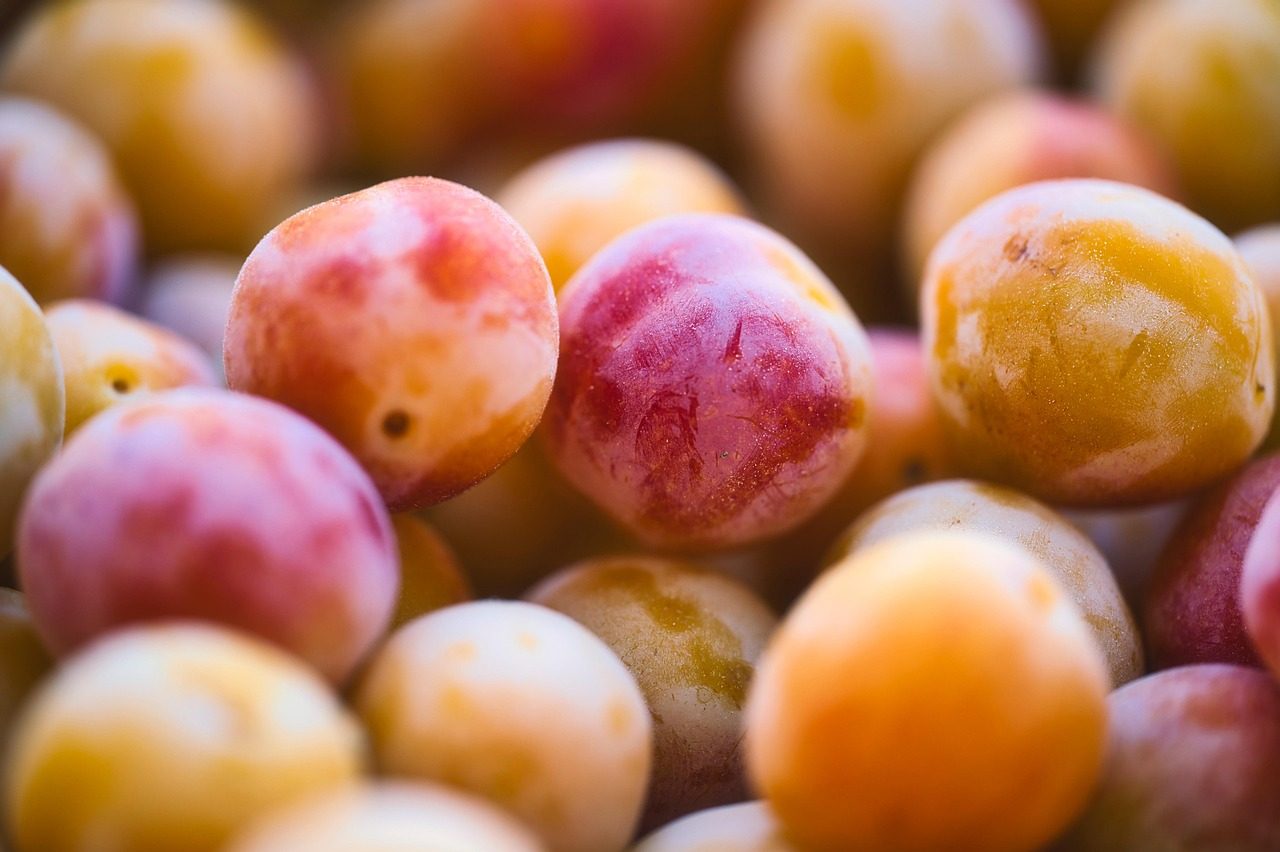
    Mirabelles de Lorraine. Photo: silvyn via Pixabay.
    Mirabelles de Lorraine. Photo: silvyn via Pixabay.
    A tarte aux mirabelles in a Lorraine bakery. Photo: Arnaud 25 via Wikimedia Commons, CC0.
    A tarte aux mirabelles in a Lorraine bakery. Photo: Arnaud 25 via Wikimedia Commons, CC0.

    And since you are in Lorraine, quiche Lorraine in its home region is its own small pleasure, best at a café table with nowhere to be.

    Saint Nicholas season

    If you can choose when to go, consider the weeks when Nancy celebrates its patron. Saint Nicholas is the patron saint of Lorraine, and Nancy honors him not for a day but for a season. In 2026 the festivities run from November 20 to January 3, 2027.
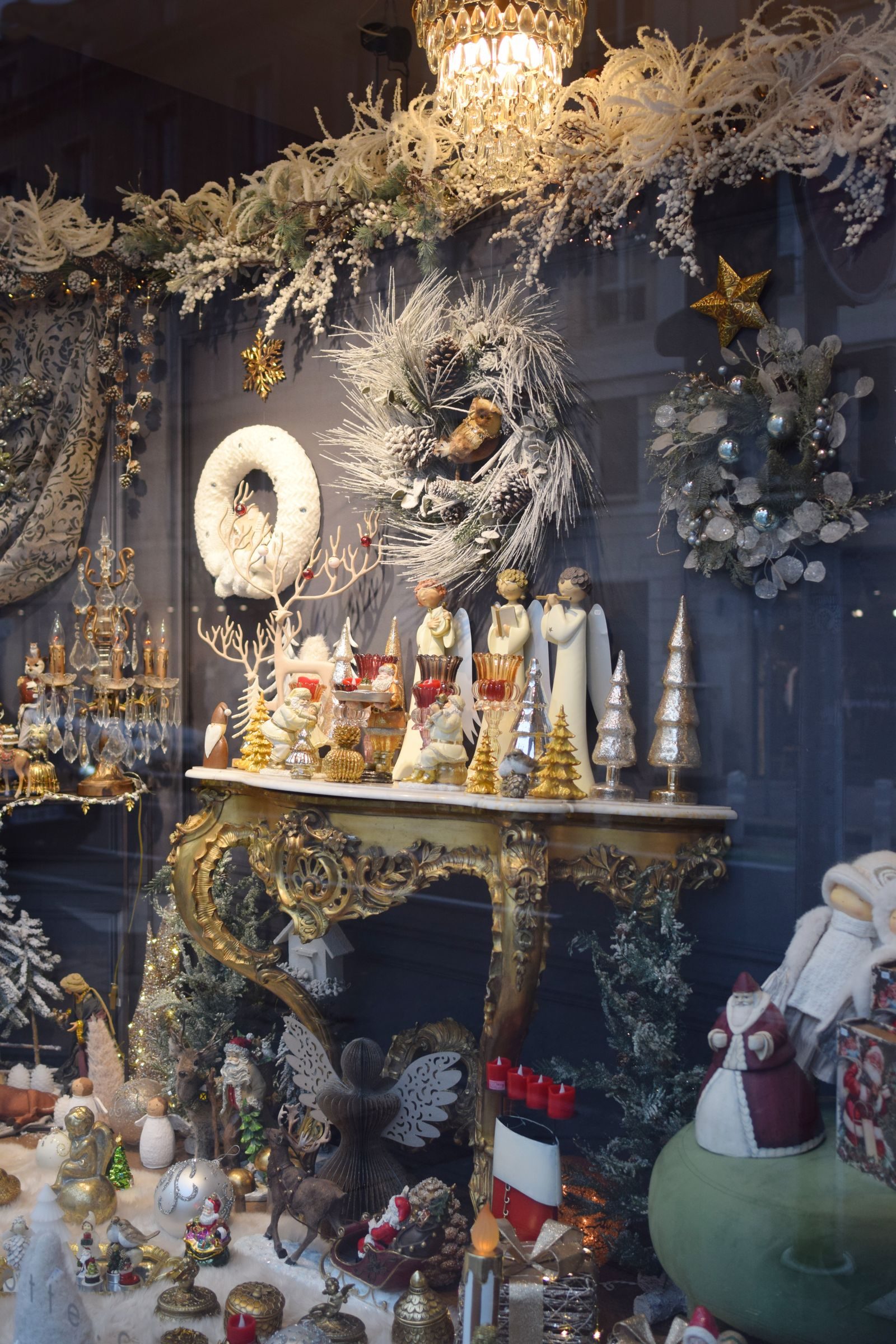
    A window display dressed for the Saint Nicholas season, Nancy. Photo: Alexis B via Pexels.
    A window display dressed for the Saint Nicholas season, Nancy. Photo: Alexis B via Pexels.

    The city fills with villages of wooden chalets. The grand village spreads across Place Charles III with some sixty chalets. A food hamlet gathers on Place Vaudémont, and Place de la Carrière holds a ferris wheel and an ice rink. Every evening, a sound and light show plays across the facade of the city hall on Place Stanislas and retells the legend of Saint Nicholas, the story of the three children he is said to have saved. It is free, it is brief, and it turns the square into a theater.

    The heart of the season is the first weekend of December. On Saturday, December 5, 2026, the grand parade rolls through the city with floats, bands, and street performers, and Saint Nicholas himself hands out sweets along the way. The parade ends at Place Stanislas, and fireworks close the evening. That same evening, just outside Nancy in Saint-Nicolas-de-Port, the great basilica fills for a candlelit procession that has been held for centuries. The basilica there keeps a relic of the saint.

    My advice for the season is simple. Any week of it is festive, and weekday evenings are calmer. The parade weekend is the peak, and the city fills, so reserve early if that weekend is your aim. In my next post, in December, I will share the Christmas markets of Germany and Belgium, the festive trip I plan most often alongside this one.

    Pair Nancy with Metz
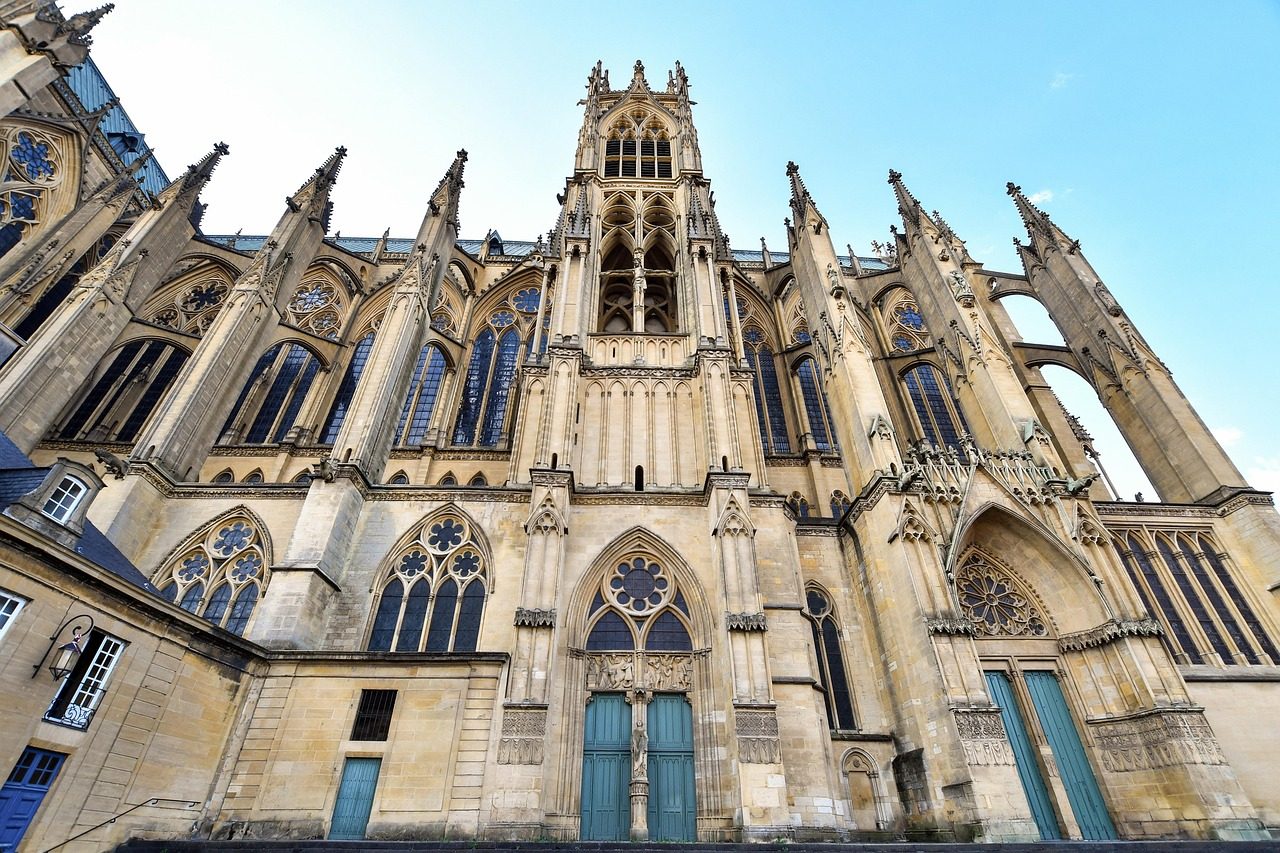
    Metz Cathedral. Photo: christels via Pixabay.
    Metz Cathedral. Photo: christels via Pixabay.

    With one more day, add Metz. The two cities are old rivals and natural partners, and direct trains link them in under an hour, often closer to forty minutes.

    Metz Cathedral is the sight I would not skip. Locals call it God’s Lantern, and the name fits. Its walls hold some 6,500 square meters of stained glass, more than any other cathedral in France, set in golden stone that glows by day. Some of the windows are by Marc Chagall, high and blue and unmistakable once you find them.

    Then cross to the modern face of the city. The Centre Pompidou-Metz, opened in 2010, is the sister museum of the Centre Pompidou in Paris, under a great woven wooden roof that people compare to a Chinese hat. Between the cathedral and the museum, give the old town its hour. Squares, churches, and cafés fill it in without any effort at all.

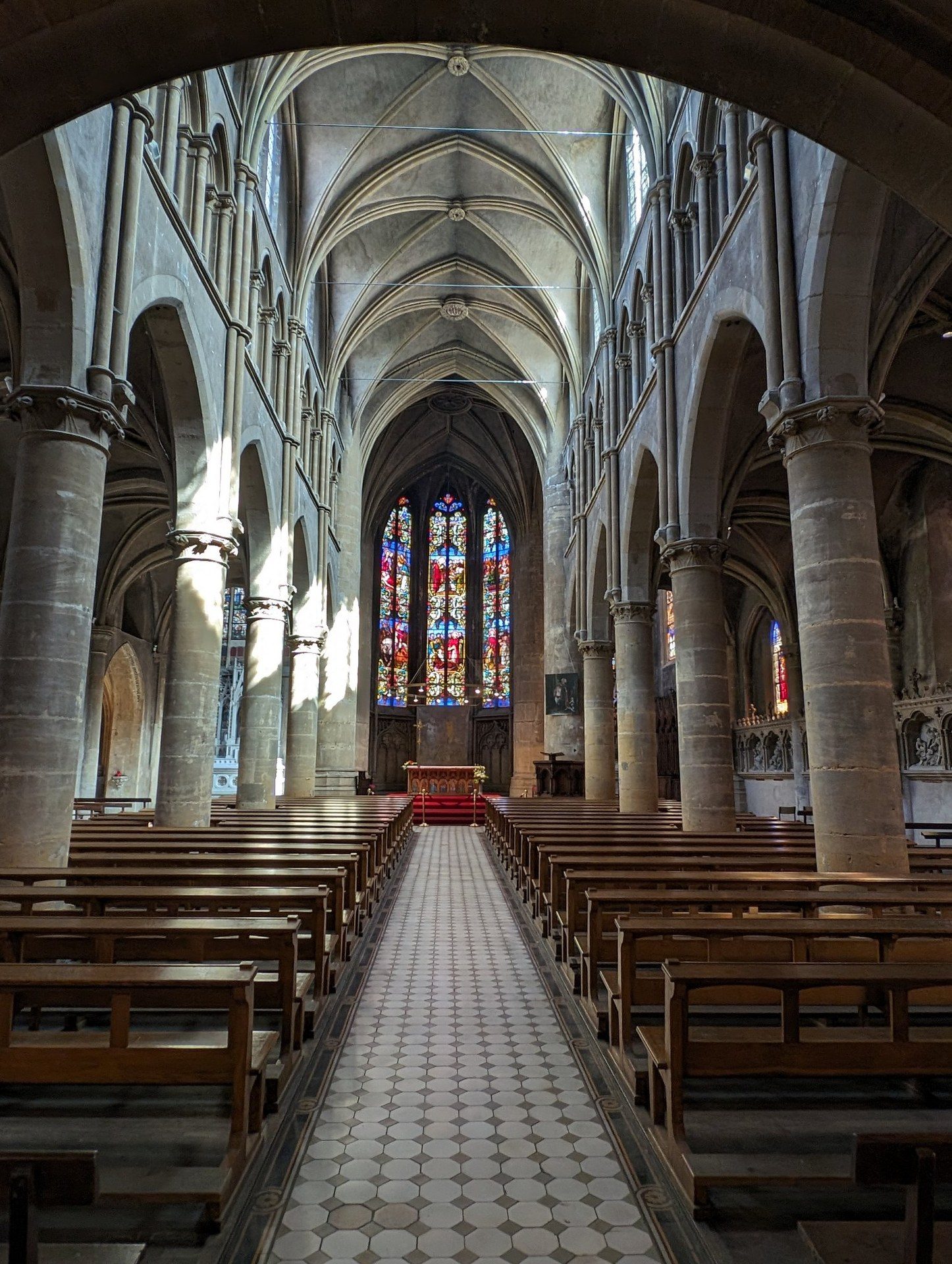
    One of those churches stayed with me. The Église Saint-Martin stands a few streets from the cathedral, and it asks nothing of you. Round stone columns run down the nave, and the aisle is tiled in black and white diamonds. At the far end, three tall windows glow above the altar. I stepped in out of curiosity and stayed longer than I planned.
    The Église Saint-Martin, Metz. Photo: Michelle Sipes, June 2024.
    The Église Saint-Martin, Metz. Photo: Michelle Sipes, June 2024.

    My honest pacing advice is this. Two nights in Nancy are for Nancy. Add Metz as a day trip when you have a third night, or sleep a night in Metz and move on from there. Metz deserves better than a rushed afternoon.

    How to fit Nancy into a France trip

    Paris comes first for most travelers. Direct trains from Paris Est reach Nancy in as little as about ninety minutes, and they run through the day. Come after Paris, when the capital has given you its best and a smaller city sounds like a relief.

    Here is how two nights feel. Arrive late in the morning and spend your first afternoon on the three squares and in the old town. Take dinner near the square and watch the light change on the gates. Give your full day to Art Nouveau, the museum, the Villa Majorelle, and the bank ceiling, with the tastes of Lorraine woven through. On your last morning, have a slow coffee on Place Stanislas before the train. Nothing in that plan is rushed, and everything in it is Nancy at its best.

    Stay in the old town if you can. My pick is the Hôtel d’Haussonville, a 16th century mansion on rue Monseigneur Trouillet, a few streets from the ducal palace. It has only seven rooms and suites in all, so it books up early.

    Could you come for the day from Paris? You could, and the trains make it easy. But you would leave before the squares light up, and Nancy in the evening is half the pleasure. A day trip shows you the city. Two nights let you feel it.

    This is the same advice I give in my guide to pacing a first trip to Turkey. Give a place the nights it deserves, and the trip feels like a vacation. Nancy rewards that patience more than most.

    Questions I hear most

    Is Nancy worth visiting on a first trip to France? Yes, as the second city after Paris. It gives you a France that feels lived in rather than performed, and it pairs with Paris without a single flight or long drive.

    How many nights do I need in Nancy? Two is my recommendation. Three if you want the Metz day trip, or if you are coming for the Saint Nicholas parade weekend and want a slower pace around it.

    When is the best time to visit Nancy? Late spring through early fall for café terraces and long evenings. Late summer for fresh mirabelles. And from late November to early January for the Saint Nicholas season, which is when I would send anyone who loves Christmas in Europe.

    Can I visit Nancy as a day trip from Paris? You can. The fastest trains take about ninety minutes each way. I still recommend the two nights, because the city is at its best in the evening.

    Is Metz worth the extra day? If you love cathedrals or modern art, yes, and the train makes it simple. If your nights are limited, visit Nancy first and let Metz be the reason for a return trip.

    Planning a France trip?

    Thoughtful travel planning begins with listening, so if you would like help shaping your route, start with the contact form on my website and tell me a few things. Your dates, or the window you are considering. Who is traveling. The style you enjoy most, relaxation, experiences, or a combination of both. What you would not want to miss, and what you would love to include if it fits comfortably. And the investment range you have in mind, so my recommendations focus on the choices that will bring you the most value.

    Your journey, thoughtfully planned.

    Photos: Place Stanislas at night by SLPix via Pixabay; Place Stanislas by day by DietArt via Pixabay; the Arc Héré by Michelle Sipes; the Basilique Saint-Epvre by Michelle Sipes; the Encolies vase by Cédric Amey via Wikimedia Commons (CC BY-SA 3.0); the Masson dining room at the Musée de l’École de Nancy by Dguendel via Wikimedia Commons (CC BY 3.0); the Villa Majorelle by Soudier_P via Pixabay; Crédit Lyonnais glass roof by DietArt via Pixabay; the Marché Central by Michelle Sipes; bergamotes by Claude Truong-Ngoc via Wikimedia Commons (CC BY-SA 3.0); Macarons de Nancy by Shallowell via Wikimedia Commons (CC BY-SA 4.0); madeleines by Hwanwoo Lee via Pexels; mirabelles by silvyn via Pixabay; a tarte aux mirabelles by Arnaud 25 via Wikimedia Commons (CC0); a window display by Alexis B via Pexels; Metz Cathedral by christels via Pixabay; the Église Saint-Martin by Michelle Sipes. The Arc Héré, Basilique Saint-Epvre, Marché Central, and Église Saint-Martin photos are my own. The others are destination illustrations, not my own trip photos.
  • How to Pace a First Trip to Turkey: Istanbul, Cappadocia, and the Aegean Coast

    How to Pace a First Trip to Turkey: Istanbul, Cappadocia, and the Aegean Coast

    Turkey is bigger than your itinerary thinks.

    I lived in Turkey, in Güzelbahçe on the Aegean coast near Izmir, and I spent my weekends in places like Çeşme and Alaçatı. Living there taught me something that planning a trip on a map never does: Turkey is a large country, and the distances between the places everyone wants to see are real.

    The mistake I see most in first trip plans looks like this. Istanbul, Cappadocia, Ephesus, Pamukkale, and the coast, all in 7 to 10 days. Every stop earns its place. Together, in that little time, they quietly turn a vacation into a series of airport days.

    The map is not telling the whole story

    Turkey is bigger than Texas. Istanbul and Cappadocia sit about 450 miles apart. The flight between them takes a little over an hour in the air, which is exactly why the plan looks easy on paper.

    But a flight is never just the flight. It is packing and checking out of your hotel, the drive to the airport, arriving early, the flight itself, collecting your bags, the drive at the other end, and checking in again. Done carefully, that is half a day gone. Done on a tight schedule, with one delay, it is most of a day.

    Here is a typical version of that one hour flight, Istanbul to Cappadocia, by the clock.

    7:00 a.m. Breakfast, then packing and checkout.

    8:00 a.m. You leave for the airport. From central Istanbul the drive takes an hour, sometimes more.

    9:15 a.m. You arrive, check your bags, and go through security.

    11:00 a.m. Your flight leaves, on time, if the day is kind.

    12:20 p.m. You land, at Kayseri or Nevşehir.

    1:00 p.m. Bags in hand, you start the drive to Göreme, about an hour more.

    2:15 p.m. You reach your hotel, check in, and finally set your bags down.

    More than half the day is gone, and nothing went wrong. That was a good travel day.

    Now count what that means in a 9 day trip with four stops. Three internal flights can take a day and a half of your vacation before you have seen a single sight. The trip still looks full. It just fills with transit instead of travel.

    Pack for the domestic flights, not just for the trip. The cheapest fares inside Turkey allow 15 kilograms of checked luggage on Turkish Airlines and on Pegasus. A bag packed for an international flight can cost extra on the hop to Cappadocia. If you are returning to the same Istanbul hotel at the end of the trip, ask if it will hold your big suitcase while you travel light to Cappadocia and the coast.

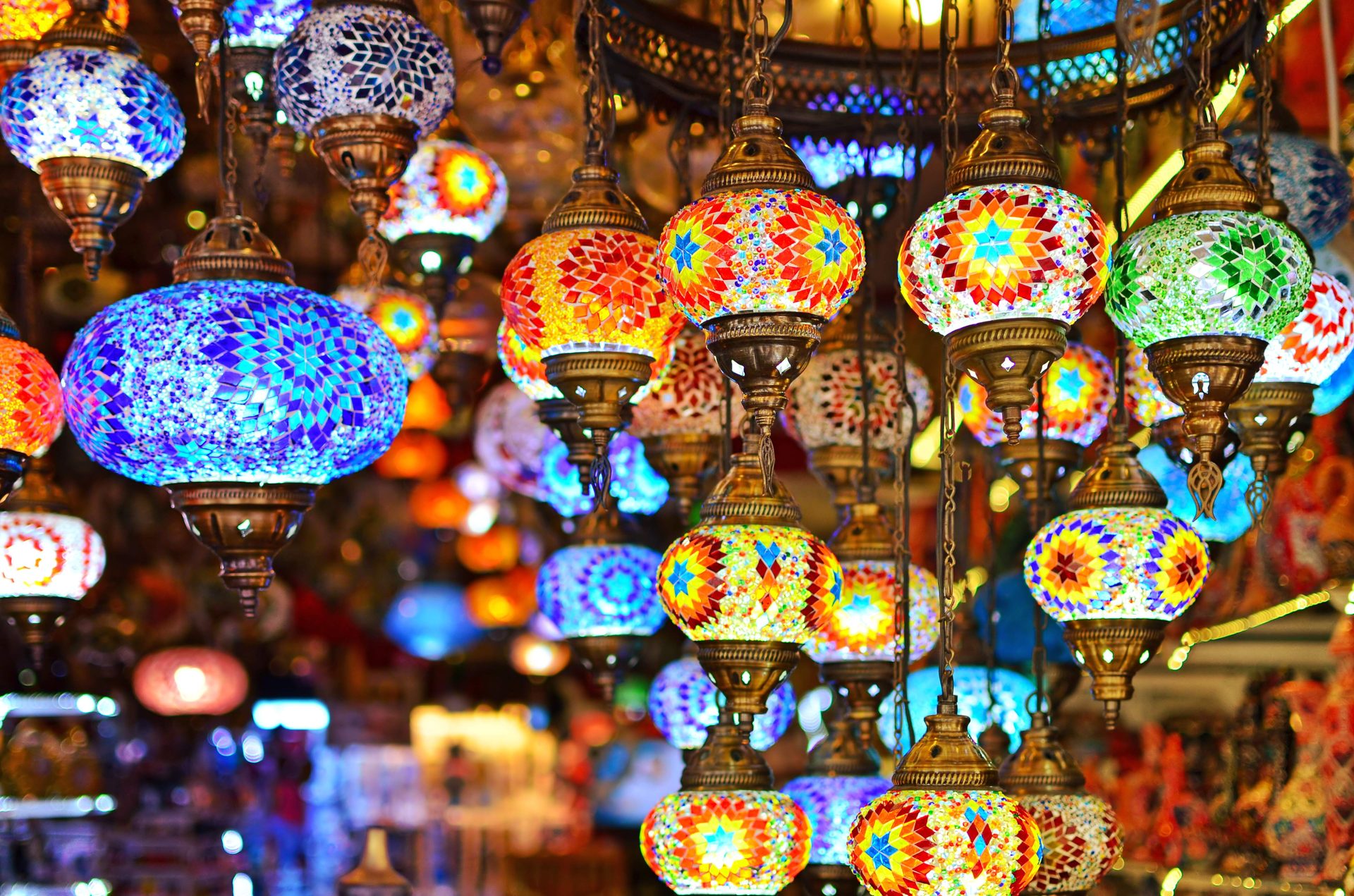
    Lamps in the Grand Bazaar, Istanbul

    The balloon needs a backup morning

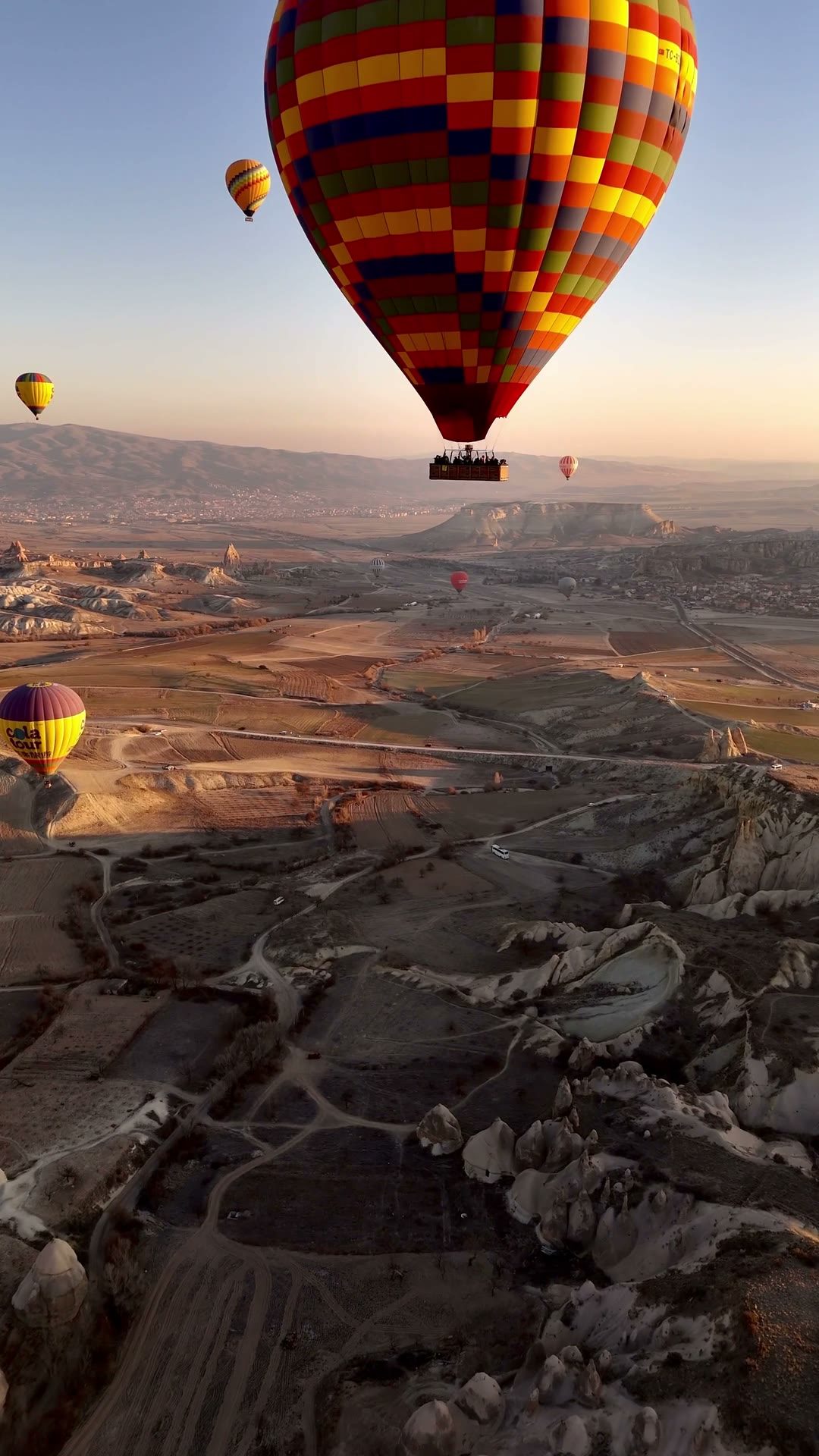
    Cappadocia’s balloons are the moment many people build the whole trip around. They are also weather dependent, and flights are cancelled whenever conditions are not right. There is no way around that, and no one can promise you a flight.

    The numbers tell the story. Balloons flew on 223 days in 2025. That sounds generous until you look at it month by month. In January 2025 they flew on only 9 of 31 days. In August, on 29 of 31. And cancellations do not always come one at a time. Flights can be grounded for three or four mornings in a row.

    So even three nights in Cappadocia does not guarantee a balloon ride, and anyone who promises you one is guessing. What three nights does is change your odds. With two nights, you have one or two mornings. If the balloons are grounded on your only real morning, that is the trip. With three nights, you have a backup morning, and the sunrise you hoped for is still likely. This is the single easiest change in most Turkey itineraries, and it costs nothing but a night taken from somewhere the trip did not need.

    Hot air balloons at sunrise over Cappadocia

    Plan the no fly morning before you need it. Decide in advance what a grounded morning looks like, and it stops feeling like a loss. Go early to the Göreme Open Air Museum, before the day gets busy. Walk one of the valleys, or visit an underground city such as Derinkuyu. Try a pottery workshop in Avanos, where pottery is a centuries old local craft. Or take the slowest option of all: a long breakfast and a morning in no hurry. One caution. If your flight is cancelled, ask about the next morning right away. In busy months the following days can sell out, and prices can rise.

    A pacing guide that works

    About a week. Choose Istanbul plus one other region. Istanbul deserves three or four nights on its own. My own pick for the second region is the Aegean coast, based near Ephesus. Ephesus is amazing even if you are not a history buff, and the coast adds beach time and the slow days a first trip needs. Izmir is right there too, if you want a taste of a big Turkish city. When I lived nearby, I loved getting lost in the maze of shops in the Kemeraltı market in Konak, and travelers still rate it one of the best things to do in the city. Choose Cappadocia instead only if the balloon sunrise is the dream the whole trip is built around, and then give it three nights for a backup morning. Either way, pick one region, not both. The other is a reason to come back, and Turkey rewards coming back.

    Ten days or so. Istanbul, then one of those regions with an extra night to breathe. This is often where the trip starts to feel unhurried, because you can add a slower day without dropping a place you care about. What ten days does not do is fit everything. I would never recommend Istanbul, Cappadocia, Ephesus, the coast, and Pamukkale in less than ten days, and I recommend twelve for a more relaxed pace and greater depth.

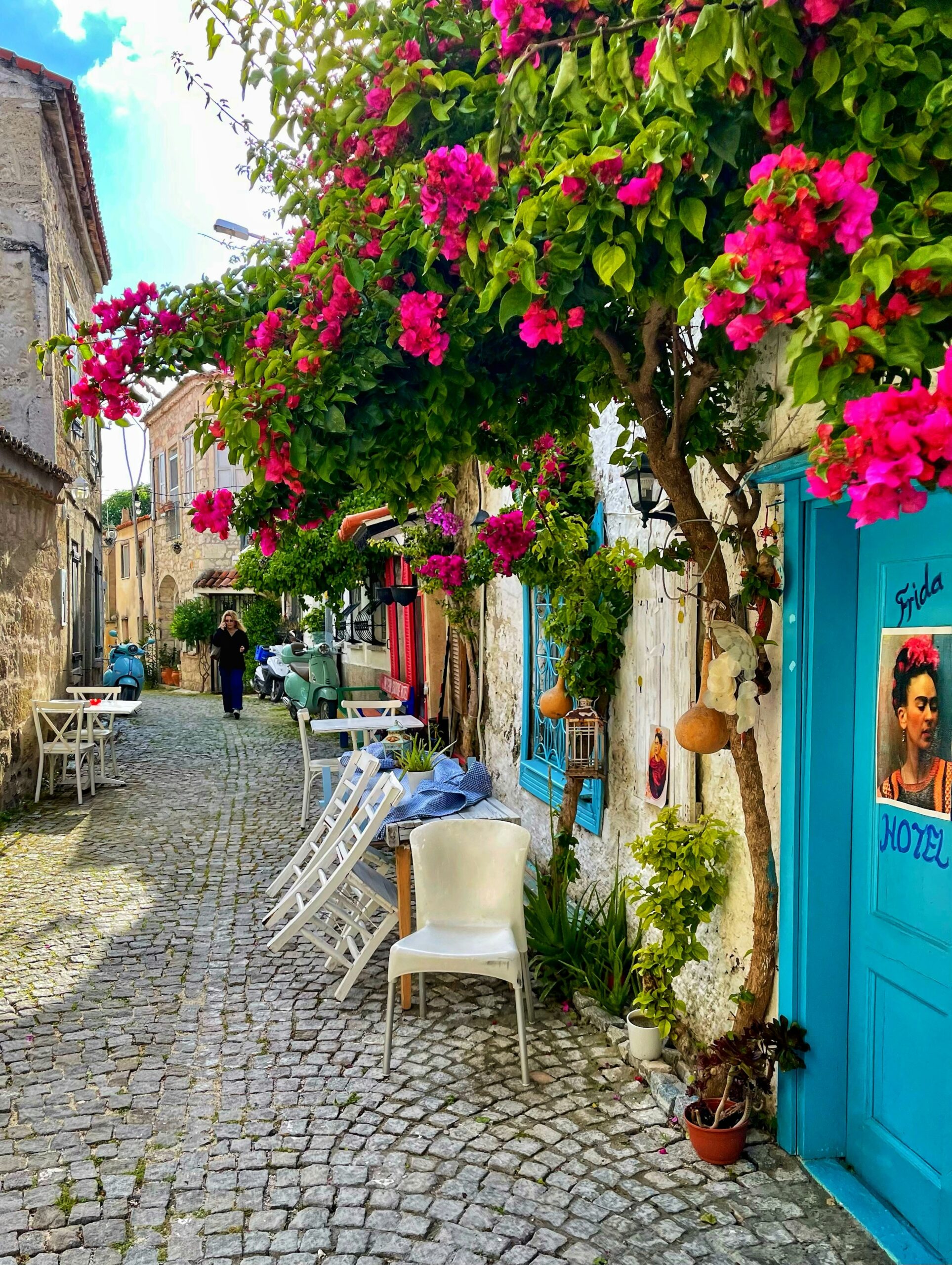
    Twelve to fourteen days. Now the classic route works, in this order. Istanbul for 3 to 4 nights. Cappadocia for 3 nights. Then the Aegean coast for Ephesus and breathing room. For the coast nights, my suggestion is the Çeşme peninsula: Çeşme, Alaçatı, and Urla, the stretch of coast I explored most often while living near Izmir, and the first stop in my Turkish Artisans series. Alaçatı gives you stone streets, small hotels, and evenings in no hurry. Urla gives you vineyards, local craftsmanship, and a slower local pace. Ephesus is a day trip from either, roughly two hours each way from Alaçatı and less from Urla. If being first through the gates at Ephesus matters more to you, base in Selçuk or Kuşadası instead, and give the peninsula a day. Then back to Istanbul for a final night or two before you fly home. Ending in Istanbul matters. It keeps your last day relaxed instead of becoming one more travel day.

    A flower lined street in Alaçatı, Turkey

    Your trip at a glance

    Nights can mislead you. What matters is how many full days you actually get in each place, and how many mornings you wake up in Cappadocia. Here is the honest count for the routes above.

    RouteNights in each baseDays spent mostly travelingFull days in placeMornings in Cappadocia
    About a week: Istanbul and the Aegean coastIstanbul 3 to 4, the coast 31About 4 to 5None
    About a week: Istanbul and CappadociaIstanbul 3, Cappadocia 31About 42 to 3
    Twelve to fourteen days: the full routeIstanbul 3 to 4, Cappadocia 3, the coast 3 to 4, Istanbul 1 to 2 at the end3About 8 to 92 to 3

    The departure morning in Cappadocia only counts as a balloon morning if your flight out leaves later in the day. And notice what the table leaves out. There is no version of a first trip that gives you all of it. That is the point.

    A word about trying to do it all

    Istanbul, Cappadocia, Ephesus and the coast, plus Pamukkale, sounds like one wonderful trip. In my view, it is too much for one trip. Every added base means packing again, another travel day, and another first night in a new bed, and that rhythm is exhausting even when every place is lovely. Turkey is not a country to finish. It deserves more than one trip, and the places you leave for next time are a reason to come back, not a failure of this plan.

    The honest choices: what usually gives

    Pamukkale. The white terraces are beautiful, and they are also the out of the way stop in almost every plan. From the Ephesus area it is roughly a three hour drive each way, and closer to four hours from the Çeşme Peninsula. My honest take: include it when it is high on your list and your trip is on the longer side. When days are short, it is usually the right cut, and making that cut early protects everything else.

    The coast is a place, not a transfer. When I lived near Izmir, weekends in Alaçatı meant a slow breakfast, a wander through stone streets, and an evening that was in no hurry to end. That is what the Aegean coast does best. If your plan gives it one night between flights, you will see it without ever feeling it. Two or three nights change it completely.

    Eat where the coast eats. The Aegean coast has quietly become one of the best places to eat in Turkey. Michelin groups its Izmir selection around the province, and every one of its starred restaurants is in Urla, a small town just outside the city. Vino Locale holds two stars, the first restaurant in the province ever to earn them, along with a Green Star. Narımor, OD Urla, and Teruar Urla hold one star each. The Bib Gourmand list reaches the places travelers end up loving most, a meyhane called Aslında Meyhane and Beğendik Abi in Urla, a fish restaurant called Partal Kardeşler Balık out in Balıklıova, and Asma Yaprağı in Alaçatı. A memorable meal on this coast does not have to be a formal one, and planning a dinner or two into the route is part of planning the coast well.

    Spring belongs to the festivals. In April, Alaçatı holds its Herb Festival, when the town fills with stalls of wild greens, more than 125 varieties gathered from the hillsides. Urla’s Artichoke Festival follows in the same season, built around the local sakız artichoke, with the harvest cooked every way the town knows how. If your dates can bend toward spring, the coast rewards it, with mild weather, the markets at their best, and Ephesus before the summer heat and crowds.

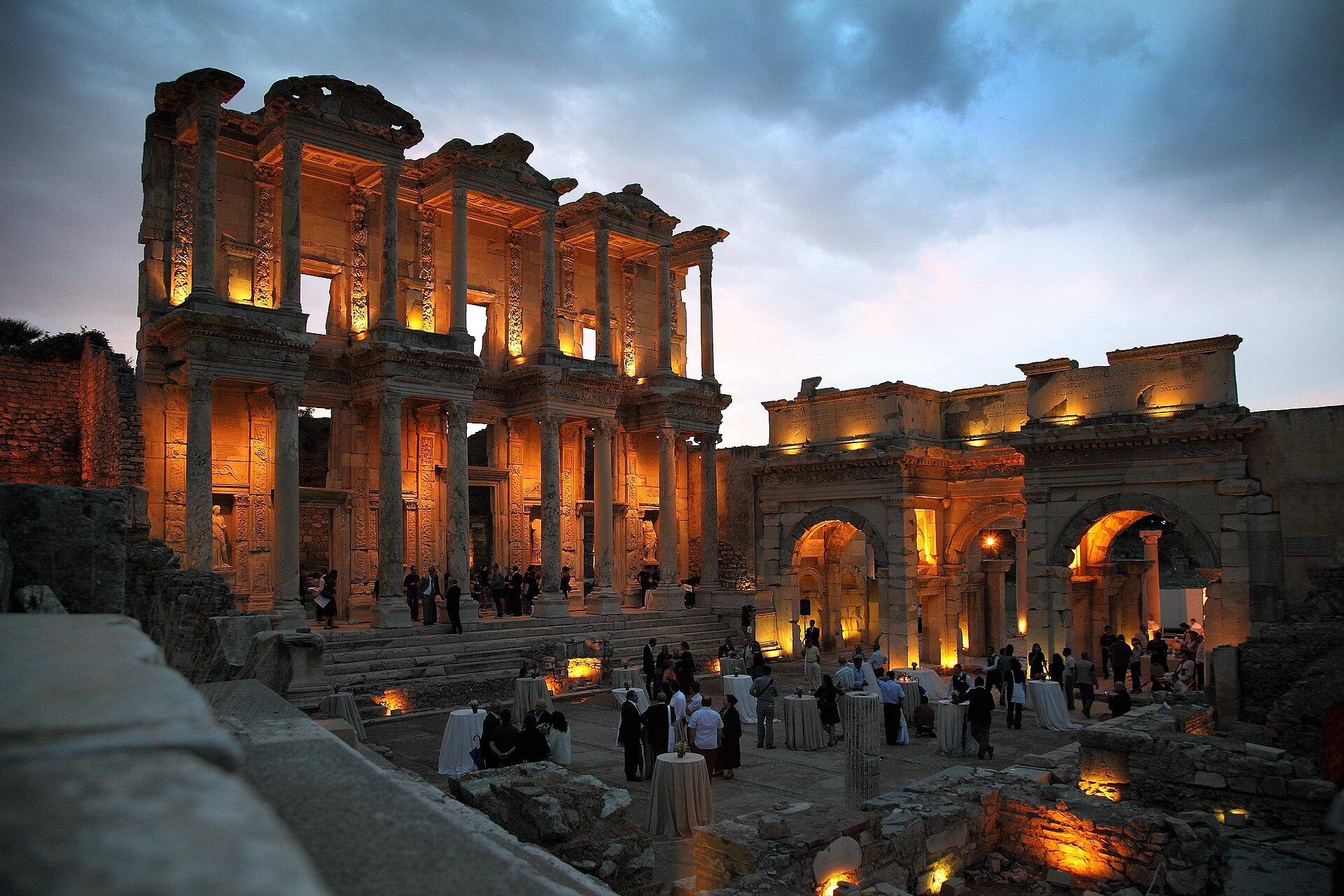
    The Library of Celsus at Ephesus

    Ephesus deserves a base, not a rush. Ephesus is about an hour from Izmir. Sleeping nearby, in Selçuk or Kuşadası, lets you arrive early, before the heat and the crowds, and lets the visit breathe. It is the difference between a stop and a memory.

    If you make only one trip to Turkey, do not miss Ephesus. It is one of the most amazing places I have been in my life. If something has to give to fit it in, let it be something else.

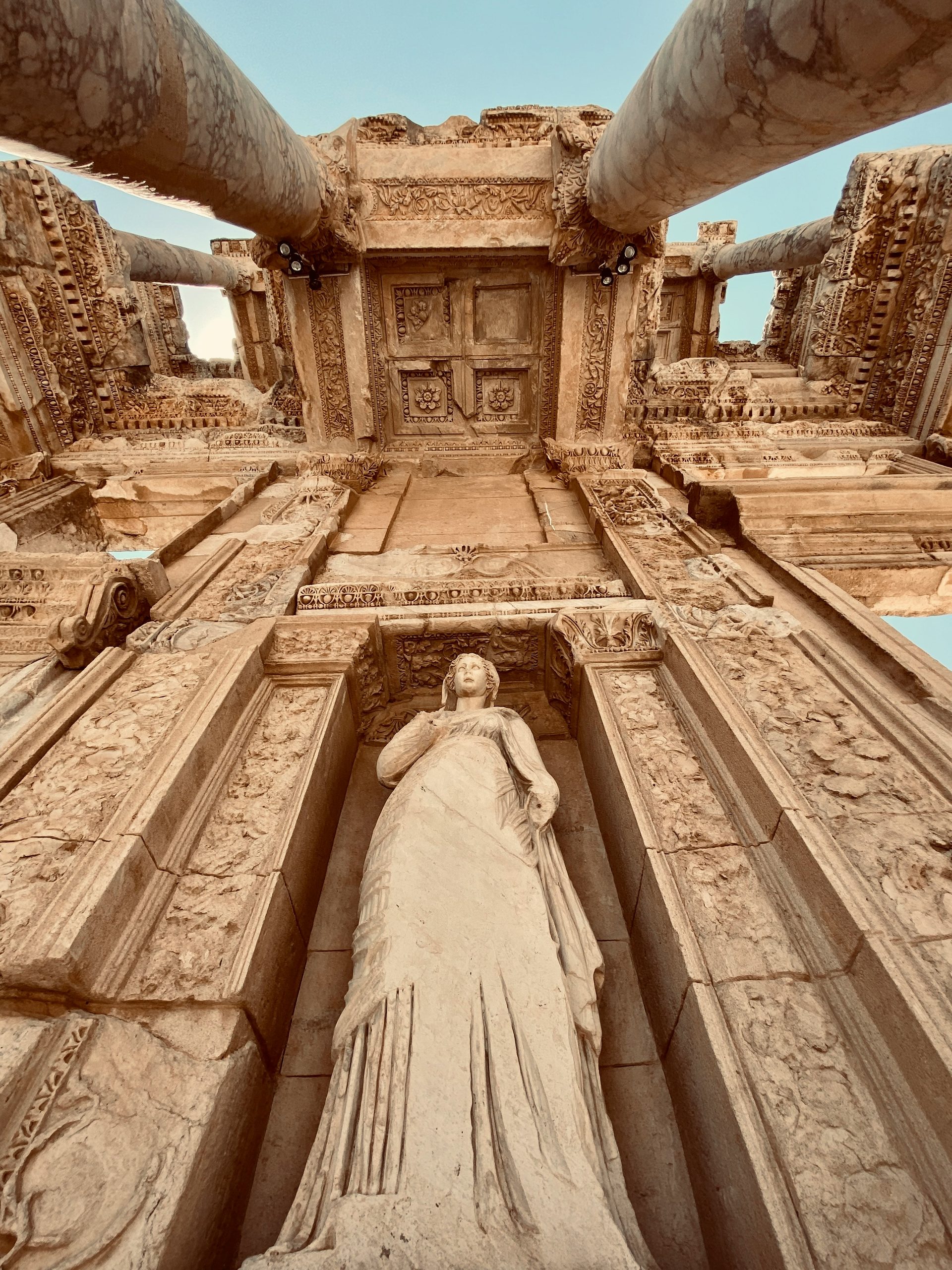
    Statue detail at Ephesus

    Go when the cruise ships are not in town. Kuşadası is a cruise port, and on ship days thousands of passengers visit Ephesus in the same few hours. I have done Ephesus both ways, with the cruise crowds and without them, and without them is a much better experience. Check the Kuşadası cruise ship schedule for your dates, choose a day with no ships or few ships when you can, and arrive at opening time either way.

    Respect the summer heat. The ruins sit on a hillside, the stone holds the heat, and in summer the middle of the day is extremely hot, with very little shade. Go early or late in the day rather than at noon. And bring water with you. There is none for sale inside the ruins themselves.

    Walk it downhill. Enter at the upper gate and walk down through the site, past the Library of Celsus, and out at the lower gate, where your driver or taxi can meet you. That way the hill works for you instead of against you, and you are not climbing back up in the heat at the end of your visit.

    Fewer stops means the right hotels matter more

    When a trip moves less, where you stay carries more of the experience. A hotel in the right part of Istanbul saves you hours without costing you a sight. A cave hotel in Cappadocia is part of the place itself, not just a bed near it. A smaller property on the coast gives you the quiet the big resorts cannot. Choosing carefully here is not about spending more. It is about the choices that bring you the most value for the trip you actually want.

    Questions I hear most

    How many days do I need in Istanbul? Three to four nights, minimum. Istanbul is not a gateway you pass through on the way to the rest of Turkey. It is one of the great cities of the world, and it needs full days, not leftover hours at the start and end of a trip.

    Is two nights in Cappadocia enough? It can be, in summer, when the balloons fly most mornings. In spring, fall, or winter, two nights can mean one balloon morning or none, and no backup morning at all. Three nights is the version I recommend whenever the balloon matters to you.

    Are four nights in Cappadocia too many? Not on a longer trip. The fourth night buys you better odds, a slower pace, and time for the valleys and villages beyond the balloons. On a one week trip, though, that fourth night is usually better spent in Istanbul or on the coast.

    Is Pamukkale worth it on a first trip? Only if it is high on your personal list and your trip is long enough to hold it. It is roughly three hours each way from the Ephesus area, and closer to four hours from the Çeşme Peninsula, so it costs a full day. The full route of Istanbul, Cappadocia, Ephesus, the coast, and Pamukkale needs a minimum of ten days, and twelve for a more relaxed pace and greater depth. Shorter than that, Pamukkale is usually the right cut.

    Where should I base myself for Ephesus? It depends on what you want around the visit. Selçuk or Kuşadası puts you closest, for the earliest entry and the shortest day. The Çeşme peninsula, in Alaçatı or Urla, trades a longer drive of about two hours each way for the best evenings of the trip. Izmir suits travelers who want a real city at the end of the day.

    Should I end my trip in Istanbul, or fly home from Izmir? End in Istanbul when you can. A final night or two there gives you a buffer before a long flight home, lets you revisit a favorite neighborhood, and makes departure day the best kind of travel day: none at all. Flying out of Izmir works, but it spends your last day traveling.

    Prefer the short version? Watch the reel on Instagram or on Facebook.

    Planning a Turkey trip?

    Thoughtful travel planning begins with listening, so if you would like help shaping your route, start with the contact form on my website and tell me a few things. Your dates, or the window you are considering. Who is traveling. The style you enjoy most, relaxation, experiences, or a combination of both. What you would not want to miss, and what you would love to include if it fits comfortably. And the investment range you have in mind, so my recommendations focus on the choices that will bring you the most value.

    Your journey, thoughtfully planned.
    I give the same advice in my guide to adding Nancy to a Paris trip.

    Photos: Blue Mosque via StockSnap (CC0); lamps via Adobe Stock; Cappadocia balloons by İbrahim Açıkgöz on Pexels; Ephesus by Mert Kahveci on Unsplash; statue detail by Nazlı Atabey Balkan on Unsplash; Alaçatı street by Tom Waldek on Unsplash. Destination illustrations, not my own trip photos.